meta name="google-site-verification" content="6a1diVfBBjrtLHOs0wceITdcAeKPOV6tx6NhXqyRKPs" /

Is 10,000 Steps Enough? The Surprising Truth About The Fitness Trend

Unless you’ve lived under a rock for the past decade, you have almost certainly heard of the importance of “10,000 steps”. 10,000 steps is a straightforward and achievable goal for everyone to incorporate into their daily routine. It’s a simple yet powerful way to increase daily activity. But where did this number come from, and is it legitimate? The answers to these questions will probably surprise you, but we’ll tell you now that the suggestion of 10,000 steps should be taken way more seriously by the public.

What Is 10,000 Steps?

It’s hard to pinpoint exactly when, but some years ago, talks of getting “10,000 steps” began making its rounds on fitness channels to promote and control fat loss. When this first happened, it’s safe to say that many people took it with a grain of salt. However, as more people began following this, its benefits began to be realized.

Increase NEAT

The basic premise of walking 10,000 steps is to increase your low-intensity daily activity. Sometimes, this is also known as NEAT, or non-exercise aerobic thermogenesis, and is just one part of your overall total daily energy expenditure.

Four sources are used to calculate your total daily energy expenditure (TDEE), or the total amount of calories your body uses in a day.

  • Basal Metabolic Rate (BMR): Energy is required to support basic life functions, including respiration and brain function.
  • Thermal Effect of Food (TEF): Total calories required to digest food, absorb nutrients, and expel waste.
  • Exercise Aerobic Thermogenesis (EAT): A fancy term for exercise or sport. It is an activity specifically done to burn calories or improve performance.
  • Neat Exercise Aerobic Thermogenesis (NEAT): NEAT is an activity that’s not affiliated with exercise. It can include walking to the kitchen, watering your garden, or even fidgeting.

Understanding these four mechanisms is important, as we often equate “burning calories” with lifting weights and running. This couldn’t be farther from the truth. Exercise generally only accounts for about 5-10% of your total caloric burn, which isn’t much.

This gets confusing because some people may have a desk job where they sit all day and go to the gym hard four times a week for an hour. That’s awesome, but those four hours during the week at the gym will not compensate for the rest of your time sitting.

In addition, understand that you don’t need to beat yourself down to burn calories. Going on a 30-60-minute walk can do wonders! This is where the idea of 10,000 steps comes from. At its core, it encourages you to improve daily activity and decrease sitting time.

Research Behind 10,000 Daily Steps

We mentioned above that plenty of research supports the idea of walking 10,000 steps daily; we’re now going to check some out.

In 2006, a study examined the effect of an exercise prescription of 10,000 steps a day in previously overweight and sedentary people.¹A total of 56 people participated, with 38 finishing the 36-week study.

The result showed a decrease in fat mass of almost 3kg and a 1.9% drop in body fat percentage. These numbers are great, but you may first think it’s not that impressive. However, you need to realize that the 10,000 steps were the only intervention used, and still, the average daily steps were only about 4,000. Those who adhered to the 10,000 steps saw greater results.

Later, in 2016, a study showed that 35 overweight individuals increased their daily steps by 1,000 until they reached 10,000 steps, which they then continued.²

The total duration of the study was 6 months, and the individuals were also given dietary assistance. In the end, the results were far-reaching, including:

  • 3.7% drop in body mass
  • 8.9% drop in fat mass
  • Improvement in overall physical functioning
  • Improvement in overall metabolism
  • Decrease in anxiety

Above, we said that walking 10,000 steps has a greater impact than just weight loss. Multiple studies have also found the power of walking on health, including all-cause mortality and cardiovascular risk.

In 2020, a large meta-analysis included 17 studies and over 30,000 people.³The primary focus was to examine the effects of daily steps on all-cause mortality and cardiovascular risk. What they found is pretty crazy. The researchers found that adding 1,000 steps a day resulted in a lower risk of all-cause mortality, and health benefits can be seen below 10,000 steps. We don’t like shooting for the minimum, but it’s interesting to see how powerful walking is.

In 2023, another huge meta-analysis wanted to build off what we know.They concluded that significant improvements in all-cause mortality were seen at just 3,867 steps per day, while improvements in cardiovascular complications were seen at just 2,337 steps a day.

However, after these thresholds, they found that more was definitely better. In all-cause mortality, a 1,000-step increment correlated with a significant reduction of 15%. On the other hand, for every 500-step increment, cardiovascular disease saw a drop of 7%. This dose response was seen all the way up to 20,000 steps!

In 2024, another meta-analysis found that those walking more than 12,500 steps daily saw the greatest drop in all-cause mortality.

Anecdotal Evidence For 10,000 Steps

We just saw plenty of evidence supporting walking 10,000 steps daily. Since it has become so common, many people have been doing it.

Considering everything we have seen firsthand, as well as the experiences of others, we can say that walking 10,000 steps daily is one of the biggest game changers in a person’s fitness journey. This is especially true for those who have previously been largely passive.

Finding someone consistent with their 10,000 steps for an extended duration is hard and has not seen positive results.

benefits of 10000 steps

Common Questions About 10,000 Steps

Walking 10,000 steps is a refreshingly simple fitness plan. However, it raises many questions. Here are some of the most common and important questions people ask about 10,000 steps.

Where Did 10,000 Steps Come From?

A common question that arises, and rightfully so, is: Where did 10,000 steps come from? It’s a good question, and the answer is pretty funny.

10,000 steps came from a marketing scheme that a Japanese company named Yamse used to sell their pedometer (step counter). Their pedometer was called the man-kei, which translates to “10,000 step meter” in English.

Aiming for 10,000 steps daily was a marketing strategy for the step counter and part of a public health campaign. Dr. Yoshiro Hatano advocated for this daily step goal, believing it could significantly reduce the Japanese population’s heart disease risk.

Don’t let the fact that it began as a marketing step deter you; we now have research to support its use; we’ll get into that further down.

How Far Is 10,000 Steps?

You’re probably wondering how far 10,000 steps are. The exact answer can vary greatly depending on a person’s height and, more importantly, their stride length. In addition, the speed of your walk can also affect the total distance, as a slower walk generally uses a shorter stride. However, the average distance of 10,000 steps is usually around 4-5 miles.

How Many Calories Can You Burn Walking 10,000 Steps?

Like distance, the calories you burn walking 10,000 steps can vary greatly. The primary factor is your weight. A heavier person must perform more work and will burn more calories.

The terrain can also play a factor. Walking through an outdoor trail with hills and uneven surfaces will burn more calories than walking in the mall. However, it’s essential to realize that both count! Yes, you can get your steps in by window shopping.

Speed can also play a minor role. Even though you’re technically performing the same work, walking briskly may result in greater caloric burn. Now, there’s some nuance to this, which we will discuss below, but you’ll probably burn anywhere between 400 and 600 calories, depending on your size and other variables. You can get an estimate with this calculator!

How Fast Do You Need To Walk?

The most crucial factor is you get your steps in, especially if you’re new to exercise. Increasing daily activity will always provide awesome benefits.

At the same time, part of the whole 10,000 steps idea is to increase low-intensity daily activity in a non-stressful manner. Basically, this means you should stop thinking you need to bust your ass all the time to get benefits.

To maximize your benefits, you should do some of this walking at a higher intensity. One study had two groups complete a walking program of 12,000 steps a day.One group simply walked at a normal pace daily, while the other group completed their 12,000 steps at a pace of 103 steps/min three days of the week.

How To Use 10,000 Steps In Your Fitness Program

Even though some studies have shown that 10,000 steps alone can help you lose weight, we think this is the wrong takeaway. In addition, some articles claim you don’t need to walk 10,000 steps to get benefits. While true, again, we feel this is the wrong mentality. Rather, you should simply look at the minimal number of steps as motivation to get up and start walking, knowing you’ll see benefits. However, more is always better.

Therefore, to get the most out of your 10,000 steps, it should be a part of a balanced fitness program. Here’s how it should look.

  • Your primary source of calorie control will always be your nutrition. You can not get around this. Control your calories with nutrition.
  • Get in the gym to either build muscle or maintain muscle mass. This should be your primary goal.
  • If desired and able, use various forms of cardio. Ideally, at least one session of HIIT or interval training and one session of longer steady state.
  • You then use 10,000 steps as an “afterburner” to increase caloric burn, assist with recovery, and stay moving. Depending on your fitness levels, 10,000 steps can also improve cardio health.

And remember, more is always better. Yes, we’re really serious about this!

Get Your 10,000 Steps In!

In our opinion, walking is the most underestimated tool you have in your arsenal to improve fitness levels. So many people will just sit at home because they’re too (even though walking can help with DOMS too!). Or, they think exercise is worthless unless it’s maxing out all the time. False! We will tell you that no one is too good for a walk!

10,000 steps is unique as it’s probably the only “marketing ploy” that actually delivers on its benefits. If you’re having issues with your body composition or general health, we can’t stress enough how effective regular walking can be!

Learn more about general fitness topics!

References

  1. Schneider, Patrick L., et al. “Effects of a 10,000 Steps per Day Goal in Overweight Adults.”American Journal of Health Promotion, vol. 21, no. 2, Nov. 2006, pp. 85–89, https://doi.org/10.4278/0890-1171-21.2.85.
  2. Castres, I., et al. “Impact of a Walking Program of 10,000 Steps per Day and Dietary Counseling on Health-Related Quality of Life, Energy Expenditure and Anthropometric Parameters in Obese Subjects.”Journal of Endocrinological Investigation, vol. 40, no. 2, 1 Feb. 2017, pp. 135–141, pubmed.ncbi.nlm.nih.gov/27600387/, https://doi.org/10.1007/s40618-016-0530-9.
  3. Hall, Katherine S., et al. “Systematic Review of the Prospective Association of Daily Step Counts with Risk of Mortality, Cardiovascular Disease, and Dysglycemia.”International Journal of Behavioral Nutrition and Physical Activity, vol. 17, no. 1, 20 June 2020, https://doi.org/10.1186/s12966-020-00978-9.
  4. Banach, Maciej, et al. “The Association between Daily Step Count and All-Cause and Cardiovascular Mortality: A Meta-Analysis.”European Journal of Preventive Cardiology, vol. 30, no. 18, 9 Aug. 2023, https://doi.org/10.1093/eurjpc/zwad229.
  5. Eva Rodríguez-Gutiérrez, Ana Torres-Costoso, Borja del Pozo Cruz, Sergio Núñez de Arenas-Arroyo, Carlos Pascual-Morena, Bruno Bizzozero-Peroni, Vicente Martínez-Vizcaíno, Daily steps and all-cause mortality: An umbrella review and meta-analysis, Preventive Medicine,Volume 185, 2024,108047, ISSN 0091-7435, https://doi.org/10.1016/j.ypmed.2024.108047.
  6. Chiang, Tsung-Lin, et al. “Is the Goal of 12,000 Steps per Day Sufficient for Improving Body Composition and Metabolic Syndrome? The Necessity of Combining Exercise Intensity: A Randomized Controlled Trial.”BMC Public Health, vol. 19, no. 1, 3 Sept. 2019, p. 1215, pubmed.ncbi.nlm.nih.gov/31481039/, https://doi.org/10.1186/s12889-019-7554-y.

#Steps #Surprising #Truth #Fitness #Trend

Use The Priming Training Method To Maximize Performance

When it comes to maximizing your performance in the gym, there’s a strategy that can take your training to the next level: priming. Priming involves super setting activation drills and explosive movements before your main lifts, tapping into the powerful concept of Post-Activation Potentiation (PAP).

What is Post-Activation Potentiation (PAP)

Post-Activation Potentiation (PAP) is a physiological phenomenon where the force exerted by a muscle is temporarily enhanced following a previous contraction. Essentially, when you perform a heavy or intense movement, your nervous system is “activated” and primed for more explosive power. This heightened state can lead to increased muscle recruitment and faster, more forceful contractions in subsequent exercises.

How Priming Helps Build Muscles

By focusing on posterior chain stabilizers and mimicking the plane of motion or movement pattern of your main lift, priming helps to engage your muscles more effectively. Controlled activation drills wake up your muscles, while the explosive movements that follow recruit fast-twitch muscle fibers, leading to enhanced force production. The result? Your muscles are fired up, your nervous system is fully engaged, and you’re ready to tackle heavy lifts with greater power and efficiency.

Benefits of Priming

Enhanced Muscle Activation

Pre-activating specific muscle groups ensures that they are fully engaged during your main lifts, leading to better muscle recruitment and strength.

Increased Power Output

The combination of controlled activation and explosive movements helps to increase power output by tapping into PAP, allowing you to lift heavier and move more explosively.

Improved Movement Efficiency

By priming the muscles, you reinforce proper movement patterns, reducing the risk of injury and improving overall lift mechanics.

Greater Focus and Readiness

Priming prepares your mind and body for the upcoming workout, ensuring you’re fully focused and ready to perform at your best.

Injury Prevention

By gradually increasing the intensity and activating key stabilizing muscles, priming ensures that your body is ready to handle the demands of your main lifts with proper form, minimizing the risk of strains, sprains, and other injuries.

Lean and toned muscular man performing a benchpress using the Priming training technique for stronger muscles
Jale Ibrak

Priming Examples for Main Movements

Squat:

  • Activation Drill: Slow Controlled Tempo Goblet Squat: (2-3 sets of 3-5 tempo reps: 4 seconds to lower, 2 seconds pause at end range, then explode up)
  • Explosive Movement: Vertical Explosive Jump: (2-3 sets of 3-5 reps)

Bench Press:

  • Activation Drill: Band Resisted Pull-Aparts (2-3 sets of 8-12 reps focused on end-range pause and contract)
  • Explosive Movement: Bent-over Horizontal Med Ball Slams (2-3 sets of 3-5 reps)

Deadlift:

  • Activation Drill: Slow Controlled Tempo Dumbbell RDLs (2-3 sets of 3-6 tempo reps: 4 seconds to lower, fast coming up)
  • Explosive Movement: Kettlebell Swings or Broad Jumps (2-3 sets of 5-8 reps)

Overhead Barbell Press:

Pullup:

  • Activation Drill: Light Controlled Tempo TRX Rows (2-3 sets of 4-8 Tempo reps: 4 seconds to lower, fast coming up)
  • Explosive Movement: Vertical Med Ball Explosive Slams (2-3 sets of 3-5 reps)

Technique Tips for Priming

Focus on Control: During activation drills, emphasize slow, controlled movements to fully engage the target muscles.

Explode with Power: For the explosive movements, aim to generate maximum force with each rep, focusing on speed and explosiveness.

Maintain Proper Form: Even in priming exercises, form is crucial. Ensure you maintain good posture and alignment throughout each movement.

Programming Tips

To effectively incorporate priming into your routine, follow these guidelines:

  • Perform 2-3 Sets: Keep the volume manageable to avoid fatigue before your main lifts.
  • Activation Reps: Stick to 8-12 reps focused on lightly activating the stabilizers and not annihilating.
  • Explosive Reps: Stick to 3-5 reps for explosive movements focusing on quality and explosive power.
  • Rest: Allow for adequate rest between sets (30-60 seconds) to maintain intensity and effectiveness.

#Priming #Training #Method #Maximize #Performance

25-Minute Leg Supersets Workout (Video)


Make the most of your workout time with this efficient, muscle-building leg supersets workout! Each circuit “supersets” a lower body strength exercise with a powerful plyometric exercise to strengthen and fatigue all your major lower body muscle groups. We’ll target the thighs, quads, hamstrings and glutes — all in under 30 minutes at home!

It’s my personal favorite day of the week: LEG DAY!

Today’s lower body burnout combines some of my favorite strength exercises for legs with powerful plyometrics in a challenging SUPERSET workout.

This is a fun, efficient format for leg day. We’ll move in all planes of motion while fatiguing the lower body muscles in this effective, leg day workout at home.

If you like this superset format, try this 25-Minute Arms and Abs Workout At Home (Supersets).

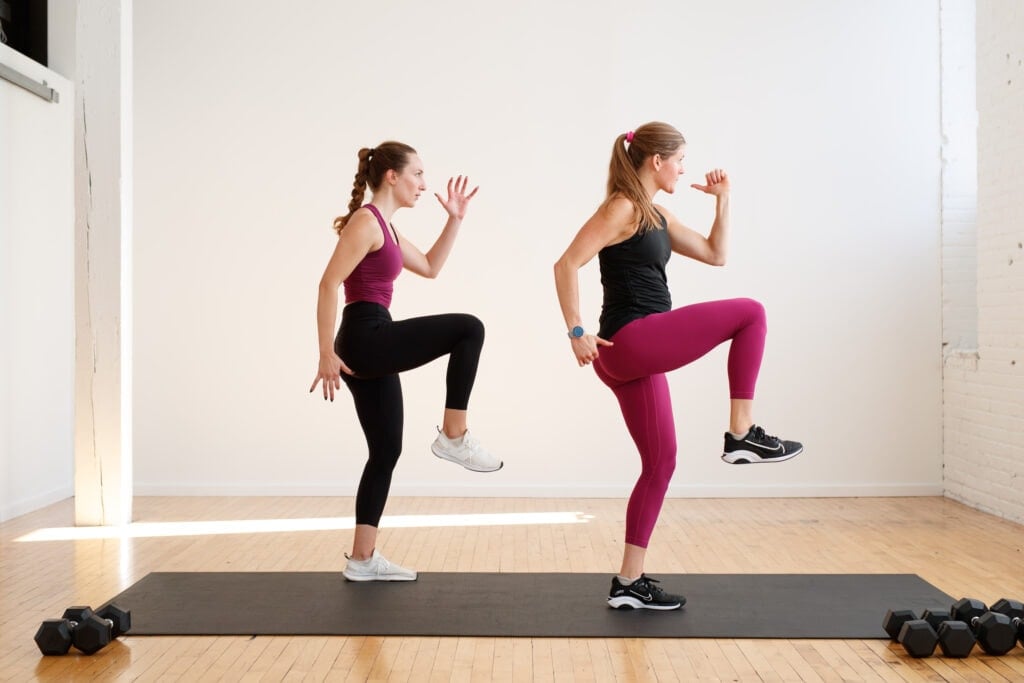
two women performing a lunge and knee drive in a superset leg workout

Squats, deadlifts, lunges and more — this lower body superset workout pairs strictly strength exercises with complementary power exercises designed to BURN OUT every muscle in your lower body!

Minimal rest means we’re increasing the intensity, making this a quick BUT efficient leg workout.

Modifications are offered to make each plyometric leg exercise high-impact or low-impact.

I suggest adding this leg superset workout to your weekly fitness routine once a week.

Workout Equipment:

Medium to heavy set of dumbbells. We are using 15-20 lb weights in this superset workout.

Workout Instructions:

Follow along with theguided Leg Supersets Workout on YouTube,led by certified personal trainer, Lindsey Bomgren.

Your Workout Looks Like This:

  • 5 Leg Supersets (2 consecutive moves per circuit, one dumbbell strength exercise and one plyo/power move)
  • Timed Intervals (30 seconds of strength immediately into 30 seconds of plyometrics, then rest 30 seconds)
  • Repeat Each Circuit x2 Sets
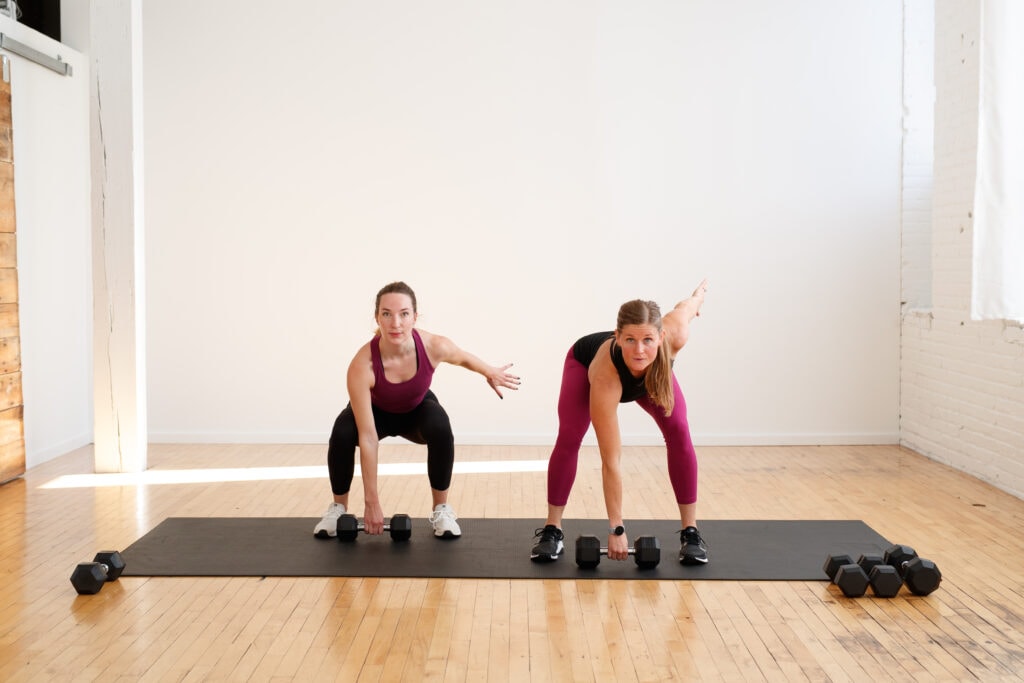
two women getting ready to perform an overhead dumbbell snatch in a leg superset workout

Workout Outline

SUPERSET ONE: Squats

  1. Strength: Goblet Squat
  2. Plyo: Goblet Squat Jack

SUPERSET TWO: Lunges

  1. Strength: Split Lunge, Right/Left
  2. Plyo: Lunge Drops, Right/Left

SUPERSET THREE: Deadlifts

  1. Strength: Double Leg Deadlift
  2. Plyo/Power:Dumbbell Snatches, Right/Left

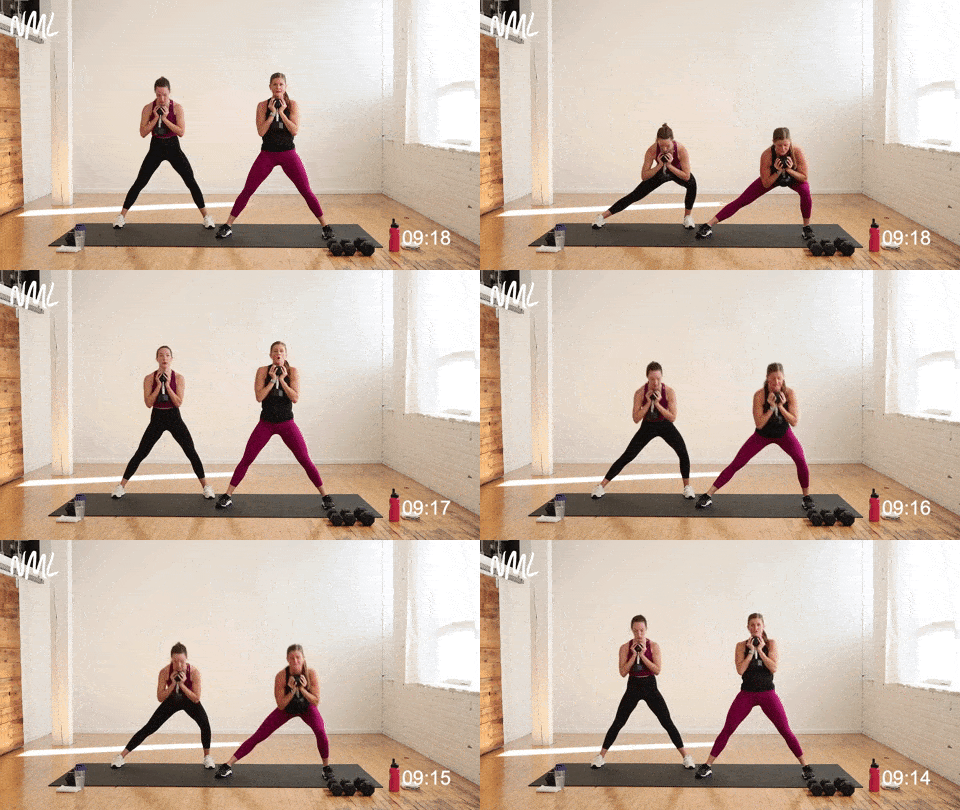
SUPERSET FOUR: Lateral Squats

  1. Strength: Lateral Squat, Right/Left
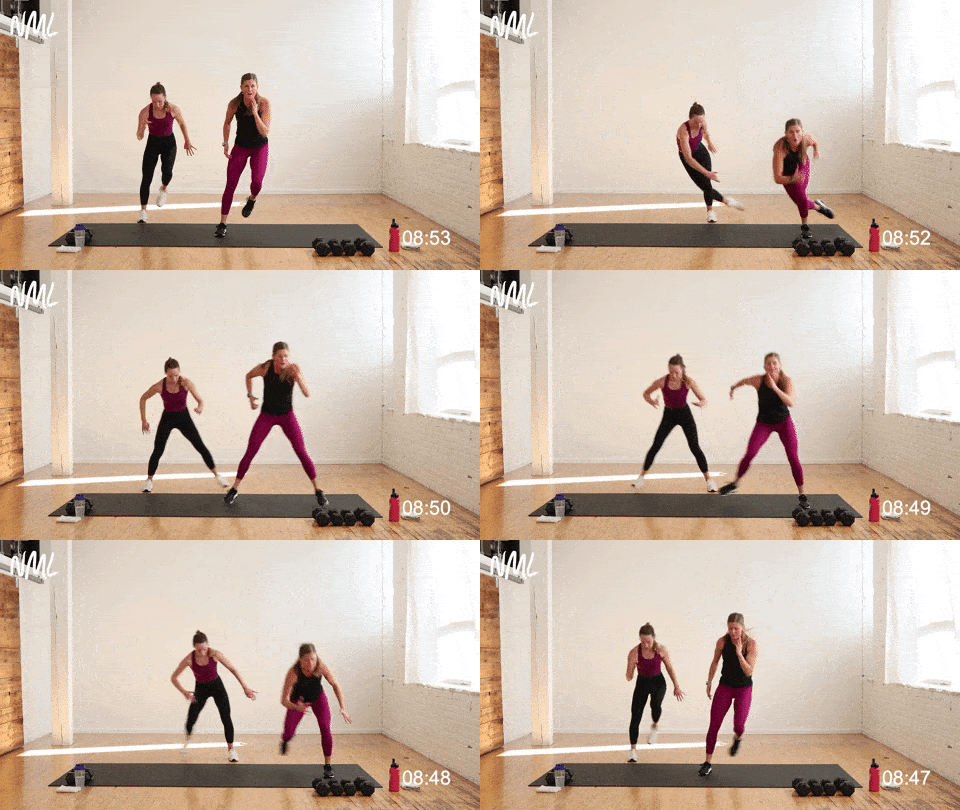
  2. Plyo: Single Sided Skaters, Right/Left

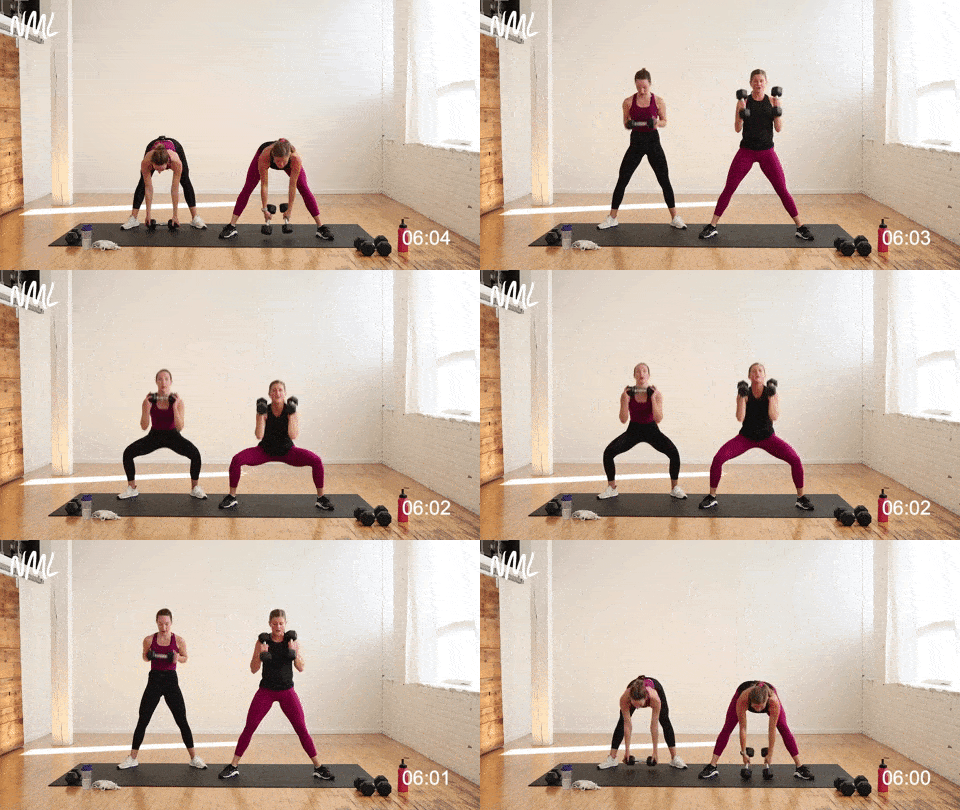
SUPERSET FIVE: Sumo Squats

  1. Strength: Sumo Deadlift and Clean Squat
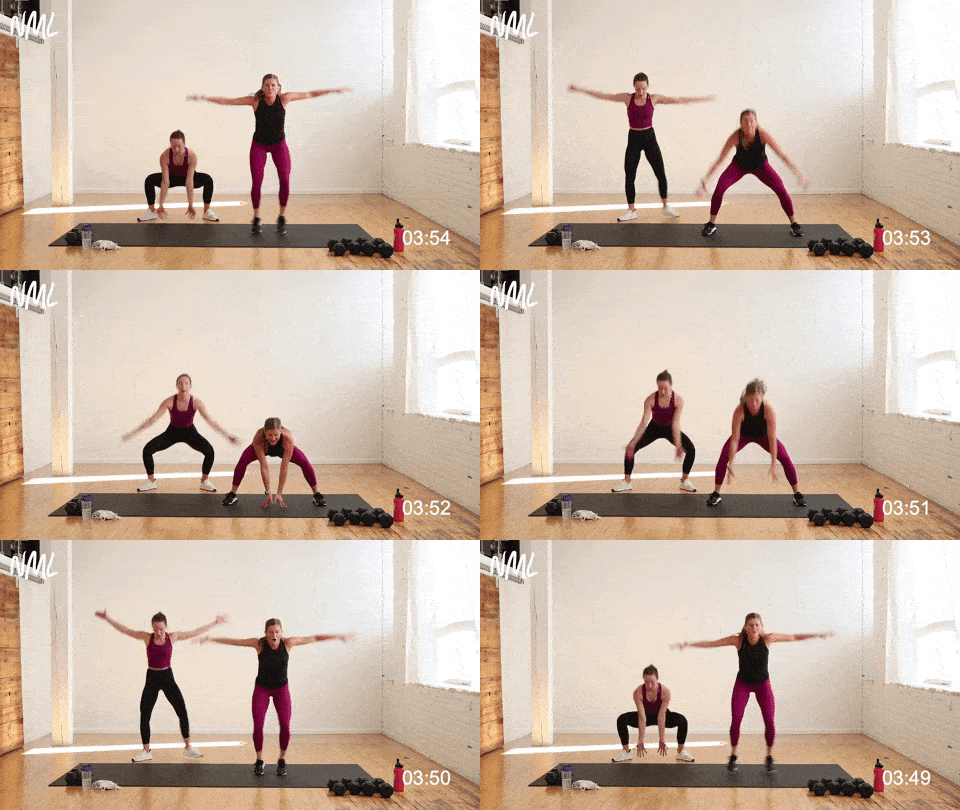
  2. Plyo: Wide/Narrow Squat Jacks

10 Lower Body Superset Exercises with Weights

Goblet Squat

Targets: Legs, glutes, quads, hamstrings, hips and core.

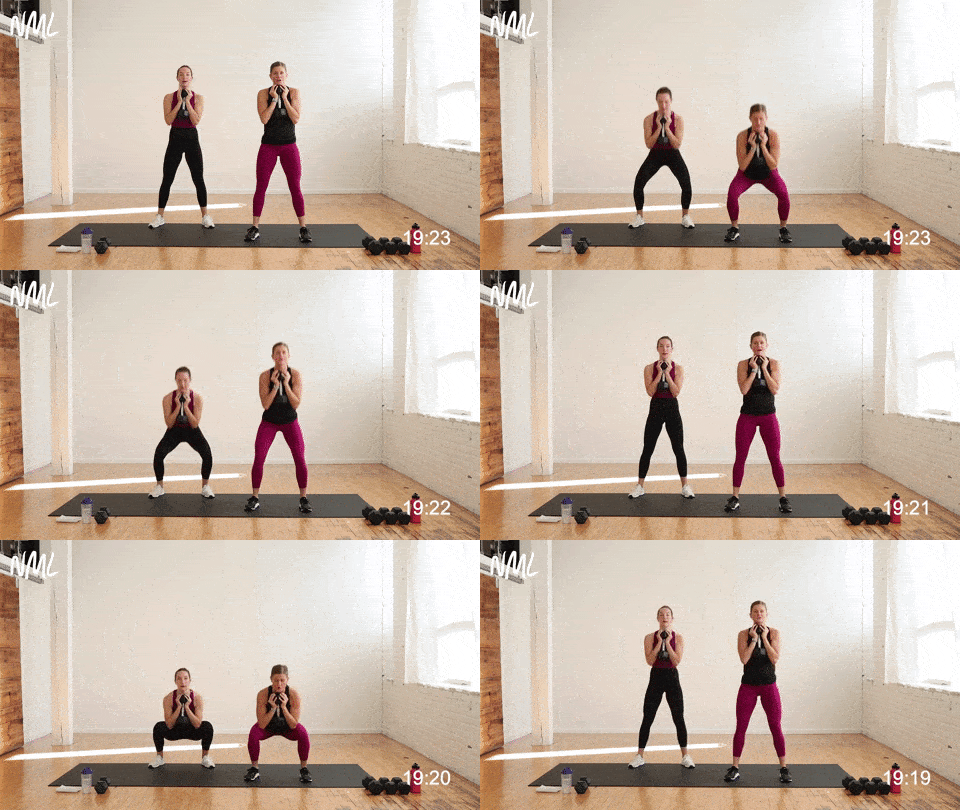
two women performing a dumbbell goblet squat in a leg superset workout

How To Do A Goblet Squat

  1. Start standing feet shoulder-width distance apart knees slightly bent, holding a single dumbbell at your chest (vertically so dumbbell is touching your collarbone and sternum).
  2. Lower down into a squat position, lowering your hips down parallel with your knees. Drive your knees out toward your outer three toes.
  3. Drive through your heels to stand tall and, returning to a standing position.

Goblet Squat Jack

Targets: Legs, glutes, quads, hamstrings, hips, calves and adductors (inner thighs).

A great leg exercise to add to your cardio or lower body routine (build strength AND improve your aerobic fitness).

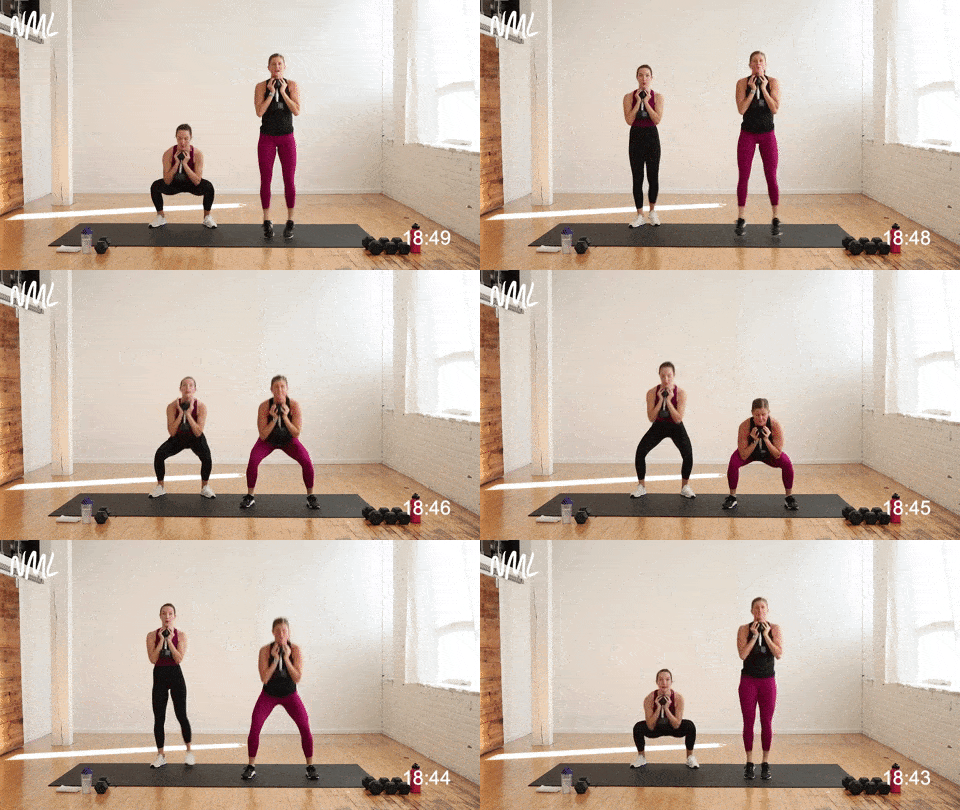
two women performing goblet squat jacks in a leg superset workout

How To Do A Goblet Squat Jack

  1. Start standing feet shoulder-width distance apart knees slightly bent, holding a single dumbbell at your chest (vertically so dumbbell is touching your collarbone and sternum).
  2. Lower down into a squat position, lowering your hips down parallel with your knees. Drive your knees out toward your outer three toes.
  3. Then, “jack” both legs in, pushing off the ground as you drive your hips forward to bring you to a standing position.
  4. “Jack” your legs back out and lower back into a low squat position.

Modification: Follow Rachel (on the left) and make this a low impact exercise by stepping one foot out at a time rather than jumping or “jacking” the legs. Option to also drop the weight.

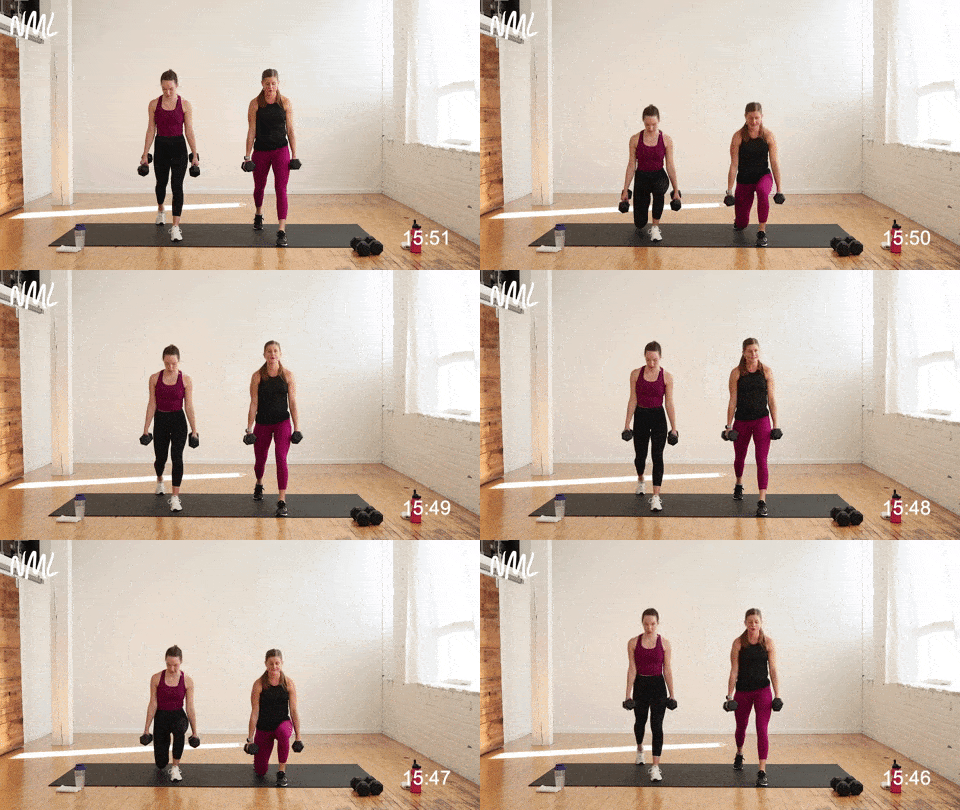
Split Lunge

Targets: Legs, quads, hamstrings, butt and calves.

This single-leg exercise fatigues one side of the body while your core is also activated to maintain balance.

two women performing a split lunge in a leg superset workout

How To Do A Split Lunge

  1. Stand with feet hip-distance apart. Hold a dumbbell in each hand at your sides.
  2. Step your right leg back into a reverse lunge, dropping your right knee down towards the ground as you lower your hips until both knees reach a 90-degree angle, front thigh is parallel to the floor.
  3. Then squeeze your left glute, keeping the weight in your front (left) heel as you push back up to a standing position, keeping your right foot in place so you can lower back down.
  4. Continue to lower and lift with your right leg back for the timed interval, switching sides (left leg) for the second set.

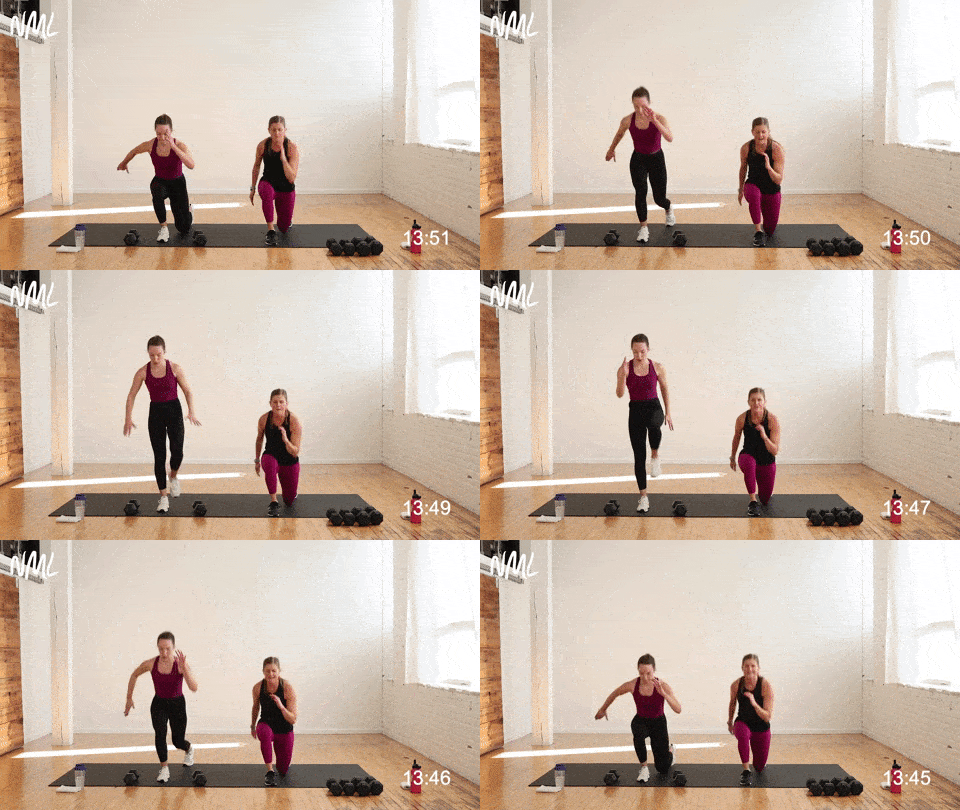
Lunge Drops

Targets: Legs, butt, hamstrings, hips, quads, thighs, calves and core.

two women performing lunge drops in a leg superset workout

How To Do Lunge Drops

  1. Stand with feet hip-distance apart. Shoulders are stacked over hips.
  2. Jump your right leg back into a reverse lunge position. Dropping your right knee down towards the ground as you lower your hips until both knees reach a 90-degree angle, front thigh is parallel to the floor.
  3. Explode up back to the starting position.
  4. Repeat this movement on the same leg (right leg) for the timed interval, switching sides (left leg) for the second set.

Modification: Follow Rachel (on the left) and omit the jump, replacing the lunge drop with a reverse lunge and knee drive.

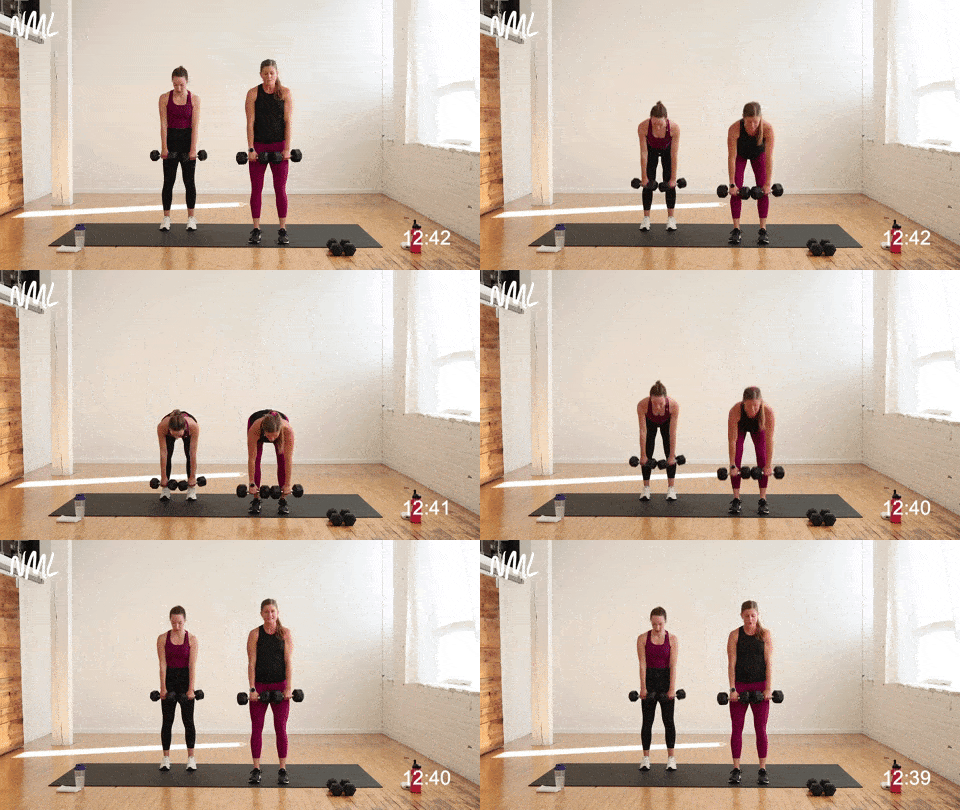
Double Leg Deadlift (Romanian Deadlift or RDL)

Targets: The posterior chain or backside of the body; specifically the hamstrings, glutes and hips.

two women performing double leg deadlifts in a leg superset workout

How To Do A Romanian Deadlift with Dumbbells

  1. Start standing feet hip-distance apart and knees slightly bent. Hold a dumbbell in each hand in front of your body (overhand grip, palms face your body).
  2. Hinge forward at the hips, pushing your hips back as you lower the dumbbells down along the front of your body. You should feel a stretch in the back of your legs (hamstrings). Focus on keeping your back in neutral alignment with your neck and shoulders throughout the entire movement. Keep a slight bend in your knees to avoid ‘locking out’ the joint.
  3. Drive through your heels to push your hips forward, squeezing your glutes as you return to a standing position.

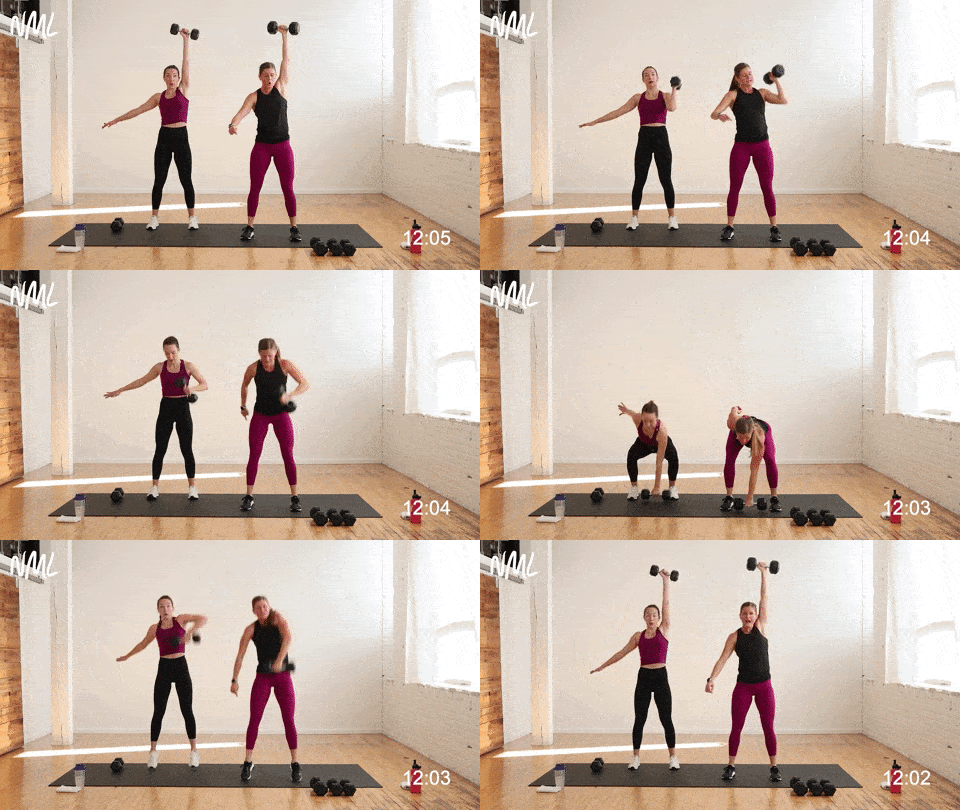
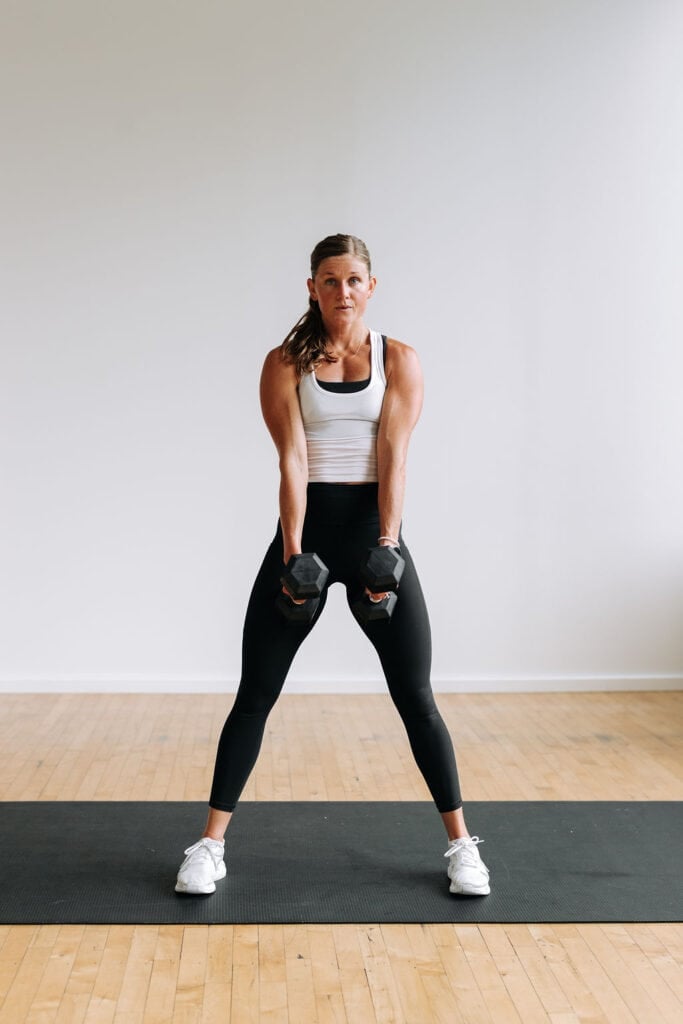
Single Arm Dumbbell Snatch

Targets:Legs, hamstrings, glutes, lower back, shoulders arms and core.

The single arm dumbbell snatch is a dynamic, compound exercise that works your whole body while also improving your strength and power. Again this unilateral or single-sided exercise really forces your core to work.

two women performing a single arm dumbbell snatch in a leg superset workout

How To Do A Single Arm Dumbbell Snatch

  1. Stand with feet hip-distance apart, or a little wider with a dumbbell horizontal on the ground between your feet.
  2. Hinge forward at the hips, pushing your hips back as you reach for the dumbbell between your feet with your right hand.
  3. In one explosive movement, drive through your heels to press your hips forward as you “snatch” the weight overhead with your right arm (using the momentum created by your legs and hips to move the weight overhead).
  4. Right arm should be fully extended overhead, wrist stacked over shoulder, palm facing out away from the body. Note, you shouldn’t struggle to press the weight overhead, it should be an easy extension of the move, with the majority of the work being done by your legs to create momentum.
  5. With control, lower the dumbbell down to your right shoulder, then back to the ground to return to the starting position.

Lateral Squat

Targets: Legs, quads, outer glutes (gluteus medius) and core.

two women performing a lateral squat in a leg superset workout

How To Do A Lateral Squat

  1. Start standing in a wide-stance squat, feet outside of shoulders, knees softly bent. Hold a single dumbbell at your chest.
  2. Transfer your weight into your right leg as you sit your hips back and to the right. Bend your right knee while leaving your left leg straight. Think of performing a single leg squat on your right leg while your left leg remains straight. Knees and toes point forward.
  3. Then, drive off your right foot to reverse the movement, pushing back to center to stand tall.

Single Sided Skaters

Targets: Legs, glutes (outer gluteus medius), quads, hips, calves and core (for stability and balance).

two women performing single sided skaters in a leg superset workout

How To Do A Single Sided Skater

  1. Balance on your left foot, hovering your right foot off the ground (right ankle near left ankle).
  2. Push off your left leg to bound laterally to the right, landing in a loaded skater position on your right leg. Right knee is bent, left leg is tracking behind your right (planted foot) in a skater position.
  3. Then drive off your planted right foot to bound laterally back to the left. Landing softly on your left foot, returning to the starting position.

Modification: Follow Rachel (on the left) and make this exercise a low impact lateral step rather than bound.

Sumo Deadlift and Clean Squat

Targets: Legs, hamstrings, hips, glutes, quads, outer glutes, inner thighs, abs and core.

two women performing a sumo deadlift and clean squat in a leg superset workout

How To Do A Sumo Deadlift and Clean Squat

  1. Stand with feet wider than hips, heels in and toes pointed out (sumo squat stance). Hold a dumbbell in each hand.
  2. Perform a sumo deadlift. With a soft bend in the knees, hinge at your hips to bring your torso parallel to the ground; lowering the dumbbells along the front side of your body.
  3. Drive through your heels to stand up, returning to the starting position.
  4. As you press your hips forward to stand up, “clean” the dumbbells up towards your shoulders.
  5. Hold this front rack position as you bend your knees to lower down into a sumo squat, pushing your knees out towards your pinky toes as you drop your hips parallel to your knees.
  6. Drive through the heels to stand up, returning to the starting position and repeat this sequence for the timed interval.

Modification: Follow Rachel (on the left) and hold just one dumbbell.

Wide/Narrow Squat Jacks

Targets: Legs, glutes, quads, hamstrings, outer glutes (side butt), inner thighs, calves and core.

two women performing wide/narrow squat jacks in a leg superset workout

How To Do Squat Jacks

  1. Start in an athletic stance or loaded squat position, with your feet shoulder-width distance apart and a slight bend in your knees.
  2. With your chest upright and your core engaged, “jack” your feet out into a wide squat (feet are wider than your shoulders).
  3. Land softly in a low squat, touching the ground with your fingertips if you can.
  4. Then “jack” your feet into a narrow stance, feet hip-width distance apart as you stand 3/4 the way up. Bring your arms to a “T” at shoulder height.

Modification: Follow Rachel (on the left) and make this a low impact exercise by stepping one foot out at a time rather than jumping or “jacking” the legs.

Leg Supersets FAQs

What Is A Superset Workout?

A superset workout pairs two different exercises back-to-back with little to no rest in between exercises (so you perform more work in less time). If you’ve done any of mystrength and HIIT workouts, you’ve probably done a superset workout!

What Is The Best Superset For Legs?

There are two types of superset workouts: antagonist supersets and agonist supersets. Antagonist supersets pair exercises that target opposing muscle groups. Agonist supersets (or compound supersets) pair exercises that target the same muscle group. Today’s leg workout includes compound sets, or supersets where both the first exercise and second exercise target the same muscle group, but either format is great for a leg superset.

What Are The Benefits Of Adding Supersets To Your Fitness Routine?

Supersets are efficient. Personal trainers use superset workouts to increase the intensity of workouts by overloading a muscle group. Pairing two exercises consecutively increases the time under tension (or the amount of work that your muscles have to do) AND reduces rest time. This is beneficial for increasing muscular hypertrophy and endurance (in a short amount of time).

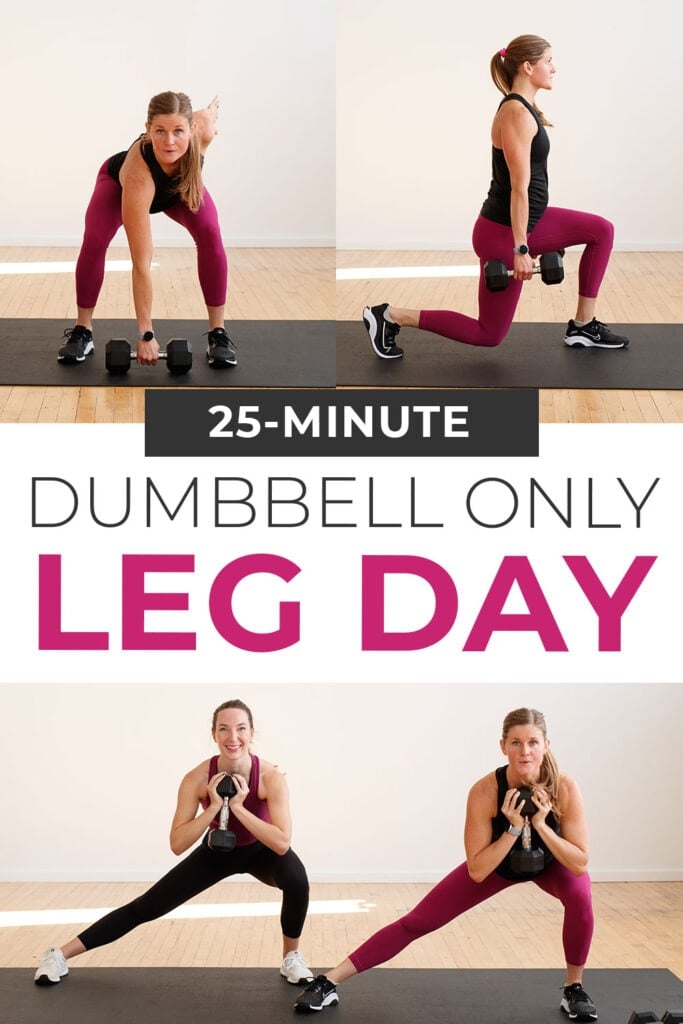
Pin this Workout: 25-Minute Leg Superset

25-Minute Leg Day Superset Workout with one dumbbell pin for Pinterest

This post includes affiliate links. I do earn a commission for products purchased using these links (at no additional cost to you). Thank you for supporting Nourish Move Love, making the content you see on this blog possible.

#25Minute #Leg #Supersets #Workout #Video

The Diabetic’s Guide to a Muscle-Building Diet

What was once a relatively uncommon condition has become one of, if not the fastest-growing non-communicable disease (NCD). It’s estimated that around 15% of all adults in the US suffer from diabetes and a lot more qualify as having prediabetes.

That’s a lot of people. With so many people with diabetes, it’s inevitable that many of them will be interested in weight training and building muscle. If not, they should be, as the results can literally be life-saving. However, a muscle building diabetic may seem tricky so this article will help make it less confusing. We’ll lay out the important factors of a diabetic muscle building diet.

Disclaimer: This article is meant to be informative but not a substitute for medical guidelines. We are not doctors and you should always consult with your primary health provider before making decisions on diet if you have diabetes.

The Importance Of Working Out And Building Muscle With Diabetes

the importance of building muscle for diabetics

Many people with diabetes are led to believe that there’s nothing they can do to improve their condition apart from taking insulin. This is not true. While it does seem that once you develop diabetes, you can never fully cure it, there is hope and possibility for reversal.

Evidence shows that you can greatly reverse the effect of diabetes and even reach remission, to the point that you will no longer be dependent on insulin. A major part of this is remaining active, increasing muscle mass, and decreasing fat.

If you are diagnosed with diabetes, staying active and getting to the gym is crucial for anyone who wants to get off medication. These benefits occur from more than just one mechanism.

  1. For one, regular exercise makes controlling blood sugar levels much easier, which we’ll get to in a second. However, resistance training, such as weightlifting or bodyweight exercises like push-ups or squats, can also increase your body’s ability to manage glucose levels acutely. This has been found to occur for up to 24 hours after a single round of resistance training.
  2. Secondly, chronic resistance training has been shown to improve glucose tolerance and uptake. What’s interesting about this, and a crucial point, is that this improvement does not specifically occur due to increased fat-free mass, which is another factor. Rather, the physiological change to resistance-trained muscle seems to be a major mechanism as well1.
  3. Another important benefit of resistance training for diabetes is that it has been found to improve insulin sensitivity. Insulin sensitivity refers to how effectively your body uses insulin to lower your blood sugar levels. Improving sensitivity to insulin is ultimately your primary goal when treating diabetes. Remember that diabetes ultimately occurs from becoming resistant to insulin, meaning improving sensitivity reverses the condition. This means your body can handle spikes in sugar more efficiently and maintain healthy blood sugar levels.

On the flip side, having diabetes and low levels of muscle mass can mean a greater chance of death. In a large historical cohort study, having low levels of muscle mass in men and women with diabetes proved to be independently associated with all-cause mortality2.

This research concludes that increasing and preserving muscle mass is of utmost importance in persons with diabetes.

Related: What You Must Know About Muscle Hypertrophy

Diabetic Muscle Building Diet

You may think that you won’t be able to build muscle due to the metabolic disorder. Or, you may think you must follow a special diet. However, this isn’t necessarily so, at least in any extreme manner.

One thing to remember is that even if a diabetic doesn’t want to build muscle, they shouldn’t just eat whatever they want. Their goal should be to control their blood sugar as best as possible through their diet. This same concept also applies when they’re trying to build muscle.

If there’s a main difference between a person with diabetes building muscle and someone without, it would be that those with have less wiggle room and need to be more strict and compliant to mitigate adverse effects.

Here are three aspects to consider and follow:

1. Calculating Total Caloric Needs

For individuals with diabetes, managing caloric intake in relation to their Total Daily Energy Expenditure (TDEE) depends on their specific health goals, such as weight loss, maintenance, or muscle gain:

  • Weight Loss: Eating below their TDEE can help reduce body fat. This is often beneficial as reducing body weight can improve insulin sensitivity and help better manage diabetes. A deficit of about 500 calories per day is typically recommended to lose about one pound per week, but it’s important to ensure the diet remains balanced and nutrient-dense.
  • Maintenance: Eating at their TDEE will help maintain current weight. This is appropriate for diabetics who are at a healthy weight and whose main goal is to manage blood glucose levels while maintaining muscle mass and overall health.
  • Muscle Gain: Eating more than their TDEE can be useful for building muscle, provided the exercise regime supports muscle growth. Extra calories should come primarily from nutrient-rich foods to ensure blood sugar levels are still well-managed.

In all cases, the quality of the calories and the timing of meals are crucial to avoid spikes in blood glucose levels. Adjustments should be done carefully, ideally under the guidance of a healthcare provider or a dietitian who specializes in diabetes management.

Use this calculator to find your TDEE (total daily energy expenditure), which is essentially your maintenance level.

Once you know your TDEE and your define your target goal, you can decide on total calories per day which you’ll then use to determine your macros…

2. Macros

I’ll go into each macro briefly below, but here’s the main points to follow for your macro breakdown:

  • Protein: 1.4-2.2 grams per kg of body weight.
  • Fat: Aim for healthy fats, which should constitute roughly 25-35% of total caloric intake.
  • Carbohydrates: Adjust the remainder of your calories to come from carbs, focusing on complex, fiber-rich sources.

Example:For a 180 lb individual targeting a 2,000 calorie diet, the nutritional breakdown would be approximately 540 calories from protein (135 grams), 603 calories from fats (67 grams), and 857 calories from carbohydrates (214 grams).

Macro Calculator

I’ll provide some of the best examples for each of the three macros below.

Protein

When it comes to protein, there’s no difference for a person putting on muscle mass if they do or don’t have diabetes. However, you should still aim for healthy, lean sources. This includes:

  • Chicken
  • Eggs
  • Lean Ground Beef
  • Seafood
  • Milk

That said, aim to eat 1.4-2.2 grams of protein per kilogram of body weight.

Fat

Fats are similar to proteins in that different fats don’t necessarily have any direct effect on diabetes. However, you should still aim to eat healthy fats and stay away from stuff like trans fats. Eating trans fats ultimately means eating junk food, which is likely accompanied by ultra-high calories and excess carbs.

Therefore, concentrate monounsaturated and polyunsaturated fats. This means things like:

  • Avocado
  • Fatty fish
  • Nuts
  • Legumes

However, you should also eat some eggs to eliminate cholesterol and support hormone levels.

Further, a bit of saturated fat is also acceptable.

Carbs

Carbohydrates are a major concern for those building muscle with diabetes, as they are primarily responsible for causing large insulin spikes. Therefore, you should focus on healthy carbs, complex carbs, and fiber-rich foods.

Further, you should aim to eat some protein along with your carbs, even if you’re eating a complex carb. By combining them with protein, the carbohydrates will break down slower, resulting in a slower release of sugar.

There is much controversy surrounding the number of carbohydrates one should eat. Numerous studies have found that diabetics who eat less than 100 grams of carbohydrates see significant improvements.

One interesting study found that individuals with type II diabetes whose diet consisted of no more than 26% carbohydrates had a 32% greater chance of achieving remission3. This would equate to 130g for a 2,000-calorie diet and 195g for a 3,000-calorie diet.

Also keep in mind that fiber is your friend as a diabetic. Fiber has been found to be a great tool in a diabetics diet and including some in every meal can have tremendous effects on your blood sugar levels4.

Some great choices for carbs include:

  • Quinoa
  • Oats
  • Berries
  • Lentils
  • Legumes
  • Oatmeal
  • Vegetables
  • Nuts
  • Leafy Greens

3. Frequent Meals

It’s also recommended that diabetics eat more frequent, smaller meals throughout the day. Many bodybuilders do this anyway, so there’s not much difference; just but just be sure you do if you have diabetes.

Doing so will limit your food intake during a single feeding, which ultimately means a lower spike in blood sugar.

So, after you determine your total daily calorie and macro breakdown, split it into approx 4-6 meals (e.g. Breakfast, Snack, Lunch, Snack, Dinner).

Sample 7-Day Meal Plan

Remember, your TDEE and macro breakdown will determine the quantities of the below meals.

Day 1:

  • Breakfast: Scrambled eggs with spinach and mushrooms, whole-grain toast
  • Lunch: Grilled chicken salad with mixed greens, cherry tomatoes, avocado, and vinaigrette
  • Snack: Greek yogurt with a handful of berries
  • Dinner: Baked salmon, quinoa, and steamed broccoli
  • Snack: Almonds

Day 2:

  • Breakfast: Oatmeal with sliced banana and a spoonful of peanut butter
  • Lunch: Turkey and cheese sandwich on whole-grain bread, side of carrot sticks
  • Snack: Cottage cheese with pineapple chunks
  • Dinner: Stir-fried tofu with mixed vegetables over brown rice
  • Snack: Hard-boiled egg

Day 3:

  • Breakfast: Protein smoothie with whey protein, almond milk, and mixed berries
  • Lunch: Beef stir-fry with bell peppers and snow peas, served with wild rice
  • Snack: Apple slices with almond butter
  • Dinner: Grilled shrimp with a quinoa salad (quinoa, cucumber, tomatoes, feta cheese)
  • Snack: A small handful of walnuts

Day 4:

  • Breakfast: Greek yogurt with granola and honey
  • Lunch: Chicken Caesar salad with romaine lettuce, Parmesan cheese, and whole-grain croutons
  • Snack: Mixed nuts
  • Dinner: Pork chops with sweet potato mash and green beans
  • Snack: Protein shake

Day 5:

  • Breakfast: Two poached eggs on whole-grain toast with avocado slices
  • Lunch: Tuna salad stuffed in whole-wheat pita bread
  • Snack: Hummus with sliced bell peppers and celery
  • Dinner: Grilled chicken breast with farro and roasted Brussels sprouts
  • Snack: Greek yogurt

Day 6:

  • Breakfast: Cottage cheese with sliced peaches and a sprinkle of flax seeds
  • Lunch: Quinoa and black bean stuffed bell peppers
  • Snack: A piece of dark chocolate and a small orange
  • Dinner: Baked cod with a side of asparagus and a small baked potato
  • Snack: A few slices of smoked salmon

Day 7:

  • Breakfast: Smoothie with spinach, protein powder, a banana, and a tablespoon of flaxseed
  • Lunch: Roast beef wrap with whole-grain tortilla, lettuce, and mustard
  • Snack: A pear with a handful of cashews
  • Dinner: Turkey meatballs with spaghetti squash and marinara sauce
  • Snack: Cottage cheese with a few raspberries

Tips for Managing Blood Sugar:

  • Monitor carbohydrate intake: Keep track of the carbs in each meal and snack to manage blood sugar levels effectively.
  • Regular meals: Eat at regular times to prevent spikes and drops in blood sugar.
  • Portion control: Ensure portion sizes align with dietary needs to maintain energy levels and muscle growth without excess calorie intake.

Note:This meal plan is just a sample and may need adjustments based on individual dietary needs, preferences, and medical advice from a healthcare provider. Always consult with a healthcare professional before making significant changes to your diet, especially if managing a condition like diabetes.

bodybuilding diabetic meal plan

FAQs:

Should I eat before working out?

Having a meal before a workout can help fuel your entire workout, ultimately leading to more muscle mass. If you have diabetes, you should follow a few guidelines.

The first is that you should check your blood sugar 30-60 minutes before you plan to start training. Knowing your levels will help you determine how to proceed, if you need to eat prior and/or you need to take insulin. This will entirely determine your case.

If you choose to take a little food before you train, be sure to pair it with some protein. For example, you could eat a banana with some peanut butter. The protein and fats will help slow down the digestion of the carbs, resulting in a lower spike in blood sugar.

How does working out affect my blood sugar?

Not all types of resistance training affect blood sugar levels in the same manner. Cardio training, or even circuit training, that keeps an elevated heart rate, will probably cause your blood sugar levels to drop some.

Now, this may come as a surprise, but resistance training can cause a temporary increase in blood sugar levels5. When your body experiences high-intensity exercises like weight training and sprints, it releases hormones, primarily adrenaline, which causes an increase in blood glucose levels. However, an increase in lactic acid can also cause an increase.

I should note that this occurs in both those with diabetes and those who don’t. Further, this is a temporary increase in resting blood sugar levels, not a chronic increase.

This is important to consider before going to the gym. Many diabetics on insulin still like to eat before they hit the gym. If you do cardio, you may want to decrease your insulin dose as you don’t want to cause a low. On the other hand, if you’re performing resistance training, you may not want to adjust your insulin dose.

Either way, this is highly personable, and everyone can react differently. I can’t stress enough: you must take extra precautions when first seeing how your body reacts. When you first start, you should do some experiments to see how your body reacts and always check with your doctor.

When Should I Check My Blood Sugar?

Always be aware of your blood sugar levels. It’s generally recommended that you always check before meals and then 1-2 hours after meals. You should also check before you go to bed.

When you are training, you should check before and after you train.

Is Building Muscle With Diabetes Hard?

Building muscle with diabetes doesn’t need to be overly complicated; you’ll just need to be more calculating and strict with your diet. Further, you’ll need to be consistent with checking your blood sugar levels. However, keep in mind this is true when you first start training; this is the hardest part. From here, managing your blood sugar levels will become easier and easier, and eventually, you’ll have a good chance of going into remission!

Related:

Understanding Diabetes Better

Diabetes is a metabolic disorder in which the body stops responding to insulin or stops producing it altogether. Insulin is a hormone secreted by the pancreas that helps to control blood sugar levels.

Upon eating a meal, the food is broken down and ultimately releases a surplus of glucose (sugar) into the blood, causing high blood sugar. To keep blood sugar levels healthy, insulin is released, which promotes glucose uptake into the muscles, where it’s stored as glycogen. This glycogen is the primary fuel for your muscles during exercise, making insulin a crucial player in the diabetic muscle-building diet.

WIth that said, there are two types of diabetes:

  • Type I diabetes is an autoimmune disorder caused by genetic factors, meaning you’re born with it. This occurs as your body actually doesn’t produce insulin.
  • Type II diabetes is a chronic disease that occurs over time due to overeating, obesity, and inactivity. In type II diabetes, your pancreas will still produce insulin, but the body stops reacting.

In either condition, the result is generally the same: consistently elevated blood sugar levels. However, low blood sugar levels can also be a possibility, generally caused by the use of insulin. Regardless, the overarching theme is that the body loses its ability to properly control the glucose level in your blood.

Prediabetics and Non-Diabetics

If you have prediabetes, which is defined as blood sugar levels consistently above normal but not high enough to be diabetes (100 to 125 mg/dL), this is even more important!

That’s because prediabetes can be relatively easy to reverse by making some lifestyle changes. This includes adopting a healthy diabetic diet and increasing physical activity.

If you don’t have diabetes, you want to follow a lifestyle that will keep it that way. Again, this includes following a healthy diabetic diet while increasing physical activity. However, putting on muscle mass is very important and has a specific benefit to keeping diabetes away.

We usually associate diabetes with high body fat levels, and rightfully so. Yet, diabetes research has now discovered that low levels of muscle mass, even when at a “healthy” weight, can be just as dangerous6. On the same note, having greater levels of muscle mass results in lower incidence of diabetes7.

But it gets worse!

The reason is that about 75% of your glycogen is stored in your muscle mass—well, if you have enough muscle. Low muscle mass simply decreases your body’s ability to store glycogen, which can also result in consistently elevated blood glucose levels.

Risks Of Diabetes

Mismanaged diabetes can cause a host of very serious issues. Some of these can occur acutely from a sugar high or low, while others occur over time through chronic mismanagement.

This can include8:

  • Dizziness
  • Confusion
  • Eye Damage
  • Foot Damage
  • Nerve Damage
  • Kidney Disease
  • Heart Disease
  • Coma
  • Death

Diabetes has become so prevalent in our population that we sometimes forget how serious of a condition this is. Even though we can ‘manage’ it with medication, this doesn’t take away from the sense of control and responsibility that comes with managing it through diet and exercise.

It’s crucial to understand that this condition is a significant part of your life, but with the right approach, you can take control and manage it effectively.

Wrap Up:

In conclusion, while diabetes presents its challenges, it’s clear that building muscle and maintaining an active lifestyle can profoundly impact your health and quality of life. By staying informed, committed to your health goals, and vigilant about your body’s responses, you can manage diabetes more effectively. Remember, each step towards a stronger, healthier body is a step away from the complications of diabetes. Embrace the journey, and let the strength you build be your greatest ally in the fight against diabetes.

References:

  1. Tresierras, M. A., & Balady, G. J. (2009). Resistance Training in the Treatment of Diabetes and Obesity. Journal of Cardiopulmonary Rehabilitation and Prevention, 29(2), 67–75. https://doi.org/10.1097/hcr.0b013e318199ff69 ‌
  2. Miyake, H., Kanazawa, I., Tanaka, K., & Sugimoto, T. (2019). Low skeletal muscle mass is associated with the risk of all-cause mortality in patients with type 2 diabetes mellitus. Therapeutic Advances in Endocrinology and Metabolism, 10, 204201881984297. https://doi.org/10.1177/2042018819842971 ‌
  3. Goldenberg, J. Z., Day, A., Brinkworth, G. D., Sato, J., Yamada, S., Jönsson, T., Beardsley, J., Johnson, J. A., Thabane, L., & Johnston, B. C. (2021). Efficacy and safety of low and very low carbohydrate diets for type 2 diabetes remission: systematic review and meta-analysis of published and unpublished randomized trial data. BMJ, 372(372), m4743. ‌
  4. CDC. (2024, May 13). Fiber: The Carb That Helps You Manage Diabetes. Diabetes. https://www.cdc.gov/diabetes/healthy-eating/fiber-helps-diabetes.html ‌
  5. American Diabetes Association. (n.d.). Why Does Exercise Sometimes Raise Blood Glucose | ADA. Diabetes.org. https://diabetes.org/health-wellness/fitness/why-does-exercise-sometimes-raise-blood-sugar ‌
  6. Son, J. W., Lee, S. S., Kim, S. R., Yoo, S. J., Cha, B. Y., Son, H. Y., & Cho, N. H. (2017). Low muscle mass and risk of type 2 diabetes in middle-aged and older adults: findings from the KoGES. Diabetologia, 60(5), 865–872. https://doi.org/10.1007/s00125-016-4196-9 ‌
  7. Hong, S., Chang, Y., Jung, H.-S., Yun, K. E., Shin, H., & Ryu, S. (2017). Relative muscle mass and the risk of incident type 2 diabetes: A cohort study. PLOS ONE, 12(11), e0188650. https://doi.org/10.1371/journal.pone.0188650 ‌
  8. Diabetes Complications and Risks. (n.d.). Www.heart.org. https://www.heart.org/en/health-topics/diabetes/diabetes-complications-and-risks

#Diabetics #Guide #MuscleBuilding #Diet

The Dumbbell Chest and Shoulder Workout For Bigger Muscles

When building a strong, chiseled upper body, you don’t need a lot of equipment—what you really need is a great chest and shoulder workout routine and just one piece of equipment. That’s where the beauty of a one-piece workout comes in, and we’re focusing on one of the most versatile tools in the weight room: the dumbbell.

This chest and shoulder workout focuses on two muscle groups that play crucial roles in your appearance, strength, and performance. Whether lifting heavy or wanting to pump it up, this dumbbell-only routine will help you improve strength and size without the hassle of switching between weight equipment.

Dumbbells offer a combination of versatility and muscle-building benefits that other equipment can’t match. They require stabilization, improve muscle symmetry, and allow you to move through the body’s natural planes and ranges of motion. What does that mean for you?

Gains.

Here, we’ll break down the benefits of using dumbbells in your workouts, explain why combining a chest and shoulders workout is great for both, and provide you with a workout that will leave your upper body stronger and more defined.

Benefits of Dumbbell Workouts

Don’t get me wrong. Using different equipment in the same workout is great for variety, saving your joints from added stress and adding volume when hypertrophy is the name of the game. But when the gym is packed and time is of the essence, one-piece workouts are your plan B. Here are three benefits of using dumbbells for your entire workout.

Versatility

One of the biggest advantages of a dumbbell-only workout is its versatility. With just a pair of dumbbells, you can perform a wide range of exercises that target every muscle group in your upper body, from your chest and shoulders to your arms and back. This versatility makes dumbbells the go-to equipment when the gym is packed and machines are hard to come by.

Enhanced Muscle Engagement

Dumbbells are unparalleled when it comes to total muscle engagement. Unlike machines that often guide your range of motion, dumbbells force you to stabilize the weight, engaging more muscle fibers, including those all-important stabilizer muscles. This increased muscle activation improves muscular development and can help correct imbalances that might be overlooked when using fixed-path machines.

Dumbbells Strengthen Imbalances

Since each dumbbell is lifted independently, your dominant side can’t compensate for your weaker side, as often happens with barbells. This forces both sides of your body to work equally, balancing strength imbalances over time. Strengthening these imbalances is crucial not only for muscle symmetry but also for preventing injuries. When one side of the body is stronger, it can lead to improper form and unnecessary strain on joints and muscles.

Advantages of Combining Chest and Shoulders

Think of this like peanut butter and jelly or mirrors and biceps curls. Each one is good individually, but they are better when paired together.

Complementary Muscles

Training your chest and shoulders in the same workout is fantastic for upper body development. These muscle groups work together in many pressing exercises, complementing function and growth. Targeting them together can enhance muscle activation, improve strength gains, and create a balanced physique.

Saves Time

Combining chest and shoulder exercises in the same workout maximizes your time in the gym, giving you a comprehensive upper-body session without needing separate training days. And by training these two muscle groups simultaneously, you get more done in less time.

Supersized Strength and Size

You build muscle and improve your upper body strength and power by training your chest and shoulders together. For instance, the strength you gain in your shoulders contributes to your chest-pressing power. This carryover effect means that as you improve in one area, you’ll likely see gains in the other.

The Chest and Shoulders Dumbbell Workout

Before starting, it’s essential to warm up your chest and shoulders properly. A good warm-up increases blood flow to the muscles, enhances flexibility, and reduces the risk of injury. Begin with dynamic stretches like arm circles, shoulder dislocations, and yoga push-ups to prepare your shoulders and chest. With light dumbbells, perform a set of chest flies, and shoulder raises in preparation for the work ahead.

You’ll perform each superset two or four times with the suggested rep ranges. Use the lower rep ranges to emphasize strength and the higher rep ranges for muscle and endurance. Rest a minute after each exercise and superset, and perform in front of a mirror for the best results.

1A. Seated, Incline, and Flat Dumbbell Press Dropset: 6-12 reps of each exercise

1B. Stability Bent Over Reverse Fly: 12-15 reps per side

2A. Seated Arnold Press: 6-12 reps

2B. Lean Away Lateral Raise: 12-15 reps per side

3A. Floor Chest Fly: 8-15 reps

3B. Dumbbell Pushup: (using the dumbbells from the chest fly) Until form failure

Dumbbells are one of the most effective tools when building a strong and defined upper body. This chest and shoulders workout proves you don’t need a gym full of equipment for gains.

#Dumbbell #Chest #Shoulder #Workout #Bigger #Muscles

Best lululemon Jackets and Sweatshirt (Size and Fit Guide)


The best lululemon jackets and sweatshirts for women in 2024. Our team tested and compared the most popular transitional pieces for fall and into winter. We also included a size and fit guide to help you determine which lululemon jacket is right for you.

One of the most viral products of the year was the lululemon Scuba Sweatshirt. It’s internet-famous (and with good reason), but not the only lululemon jacket worth investing in.

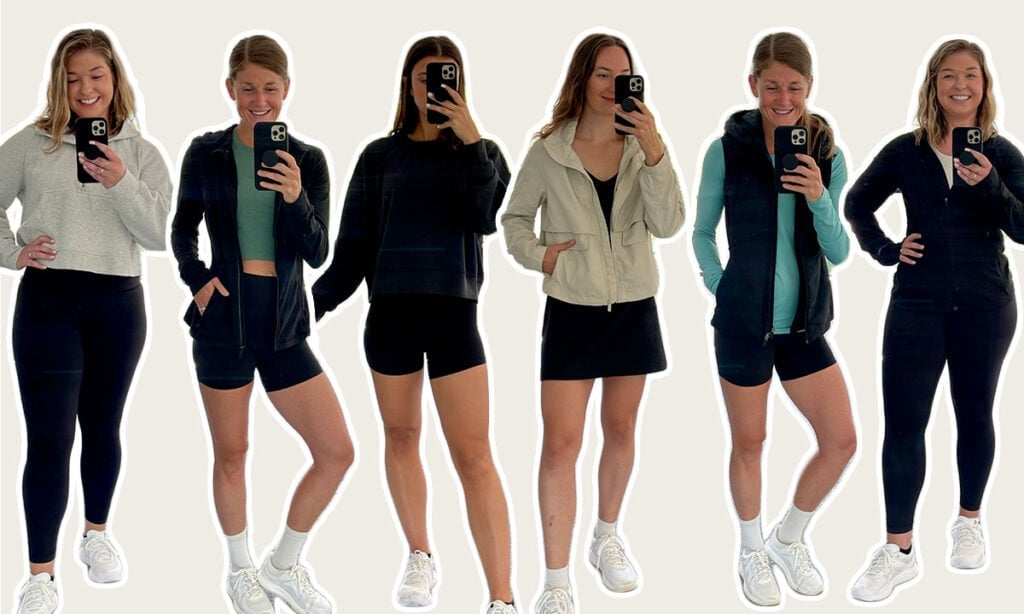
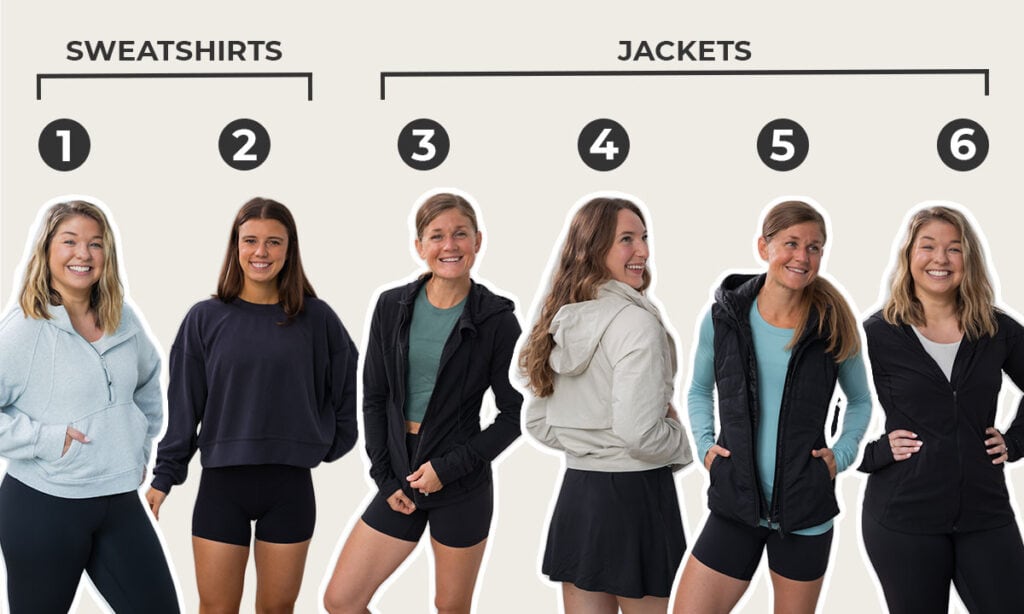
6 women, each wearing a different lululemon jacket or lululemon sweatshirt, posing in front of mirror

A few reasons why we love shopping lululemon include:

  • Free shipping and returns on every order (no minimum purchase)
  • High quality products (everything I’ve purchased from lululemon has lasted me years)
  • Complimentary hemming(for the perfect fit)

Looking for more reviews? Check out our top lululemon scores in We Made Too Much,best lululemon sports bras,best lululemon leggings, andbest lululemon shorts.

TOP PICK

Define Jacket

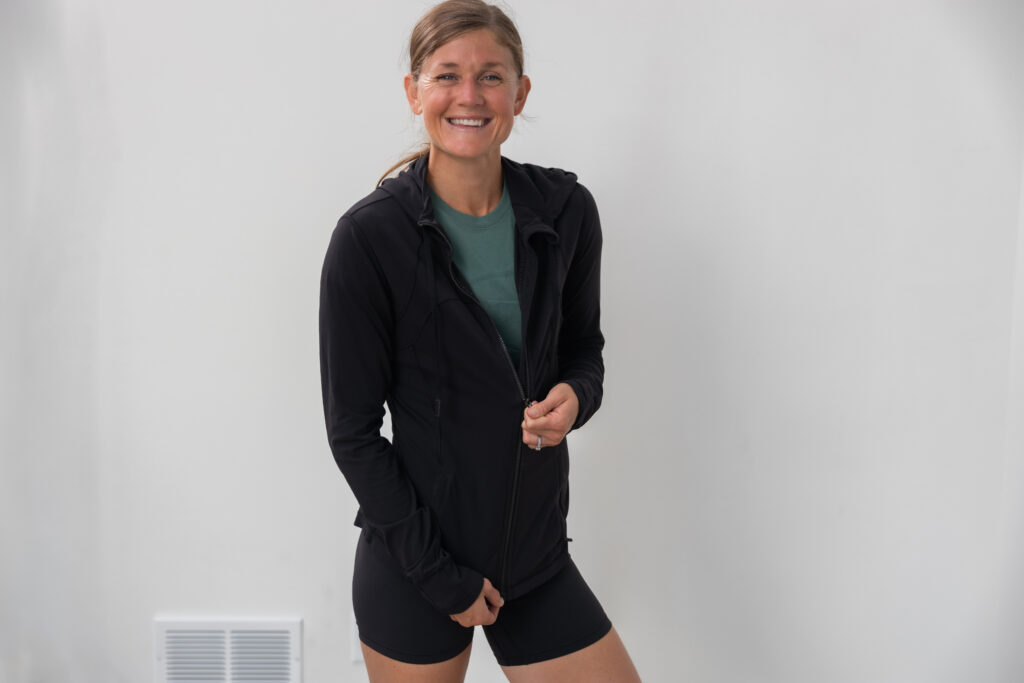
The Define Jacket is part of our unofficial team uniform. We all love this flattering jacket for throwing on after a workout or for running errands.

Define Jacket

Lindsey wearing lululemon define jacket as part of round up of 6 of the best lululemon jackets and sweatshirts

Best lululemon Jackets and Sweatshirts

Numbered image with corresponding links of the best lululemon jacket and sweatshirt choices for fall

Best lululemon Sweatshirts and Jackets

  1. Scuba Sweatshirt. The coziest sweatshirt that has become a staple in our work-from-home uniforms.
  2. Softstreme Sweatshirt. Super soft and perfect for lounging.
  3. Define Jacket. Our favorite athletic jacket – perfect for everything from running errands to running outdoors. 💜 NML Team Favorite
  4. Always Effortless Jacket. Best jacket for casual wear – so cute with jeans or a dress.
  5. Another Mile Vest. The best layering piece for cool weather running.
  6. Mist Over Windbreaker. Lightweight, water-repellent and packable – this is the best travel jacket.

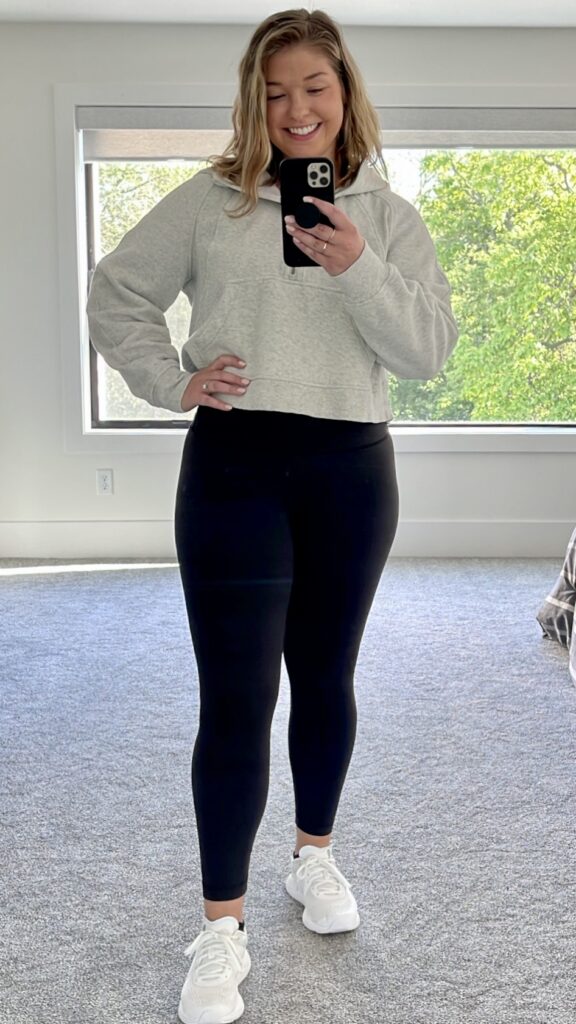
Best For: lightweight warmth and cozy work-from-home layering.

Our entire team owns a variation of this sweatshirt. It truly is the perfect “oversized” fit – cozy, without being too boxy.

The Scuba Sweatshirts quickly sell out whenever a new color is launched. They’re classics for a reason, and their popularity isn’t going away anytime soon.

These sweatshirts are designed for lightweight warmth. Naturally breathable cotton-blend fleece keeps you cozy, without being too heavy or bulky.

Sizing Notes: The Scuba sweatshirts come in XS/S, M/L and XL/XXL. Megan is pictured wearing the Oversized Half-Zip Scuba Hoodie in size M/L. Size up if you prefer an oversized fit, or stick with your typical size for a more fitted look.

Woman wearing lululemon scuba sweatshirt posing in mirror as part of review of best lululemon sweatshirts

Types of Scuba Sweatshirts

  1. Half-Zip. The original Scuba style is still our team’s favorite. The perfect cozy oversized fit.
  2. Full-Zip.Great for pulling on after a sweaty workout.
  3. Funnel Neck (Half-Zip or Full-Zip). If you prefer styles without a hood, this is for you!

Best For: ultimate softness. The best lounging sweatshirt.

Super soft, peach-fuzz like fabric makes this sweatshirt one of the comfiest items in our closet.

Lindsey wore this sweatshirt through pregnancy and postpartum and hasn’t taken it off since. This crew is slightly oversized, but cropped to hit right at the hips.

One thing to note is that water marks do show up on some of the lighter colors. It comes out clean in the wash, but we recommend going with one of the darker fabrics to avoid the issue of water stains.

Sizing Notes: Caroline is pictured wearing the Softstreme Perfectly Oversized Cropped Crew in a size 4 (her typical top size). We recommend sizing up for a more oversized fit.

Caroline wearing perfectly oversized cropped crew lululemon sweatshirt

Types of Softstreme Sweatshirts


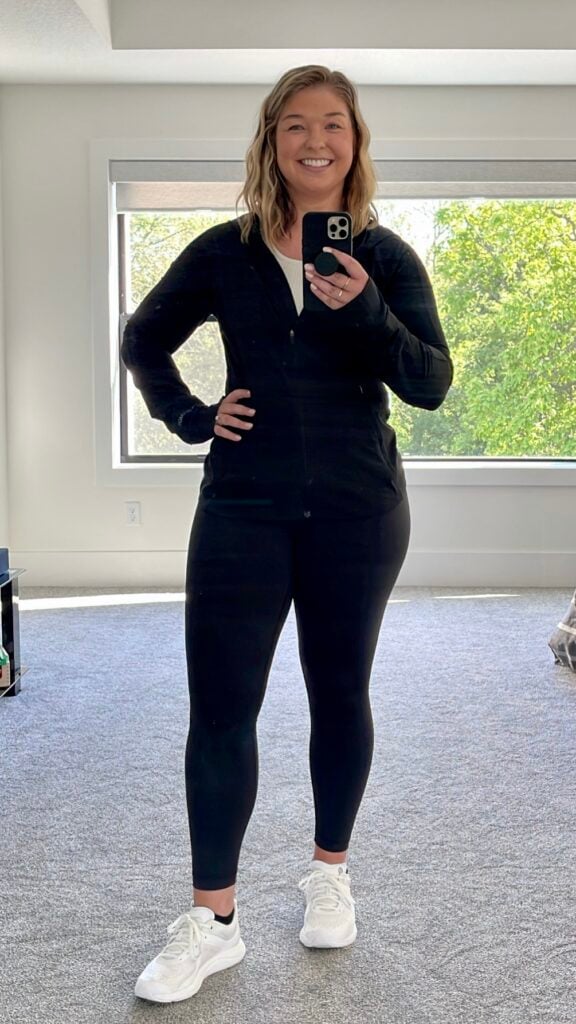
Woman wearing lululemon Define Jacket as part of review of best lululemon jackets

Best For: everything from running errands to outdoor runs. Our favorite athletic jacket!

The define jacket is loved by reviewers for its flattering shape. The Define Jacket is soft, breathable and surprisingly warm given that the fabric is relatively thin. This also makes it perfect for layering.

The Define Jackets come in two fabric options: Luon (more structured) or Nulu (buttery soft).

Sizing Notes:This jacket runs small, and we recommend ordering a size up. Lindsey is pictured wearing the Nulu Hooded Define Jacket in a size 8 (one size up from her typical top size).


Best For: everyday wear. Easily dressed up or dressed down.

Water-repellent and wind-proof on the outside, but super soft on the inside. This is a true “best of both worlds” kind of jacket.

It’s lightweight and versatile, featuring a stowable hood you can zip in or out depending on weather conditions.

The Always Effortless Jacket has so many pockets – perfect for stashing a phone or wallet during travel days.

Sizing Notes:This lululemon jacket runs true to size. Rachel is pictured wearing the Always Effortless Jacket in a size 6 (her typical top size).

Woman wearing tan lululemon jacket as part of roundup of best lululemon jackets

Woman wearing Another Mile vest from lululemon as part of best lululemon jackets for fall review post

Best For: lightweight warmth for runners or power walkers (and a great layering piece).

If you’re a dedicated runner or walker no matter the weather conditions, this vest is for you.

Our favorite feature is that this vest is actually double-layered. You have the option to zip the inner down layer out or in depending on how much warmth you want.

The fabric of this vest is amazing – it’s water-repellent, and the lightweight insulation is warm, even when wet.

Sizing Notes:This vest runs true to size. Lindsey is pictured wearing the Another Mile Vest in a size 6 (her typical top size).


Best For: the ultimate travel jacket: lightweight, water-repellent and super packable.

Megan swears by this jacket as a lightweight layering piece for dog walking, rain or shine.

This jacket is perfect for hiking as well. It conveniently packs into its own pocket so you can hook it onto your backpack or belt bag if you get warm and want to take it off.

Sizing Notes:This jacket runs true to size, but we recommend sizing up if you’re layering it. Megan is pictured wearing the Mist Over Windbreaker in a size 10 (one size up from her typical size).

Woman wearing the Mist Over Windbreaker from lululemon as part of review of the best lululemon sweatshirts and jackets

lululemon Jackets and Sweatshirts FAQs

What Is The Popular lululemon Jacket Called?

TheDefine Jacketis the most popular lululemon jacket. This jacket has been one of lululemon’s top rated products for years, and continues to be a popular choice. lululemon has made some modern updates to the classic define jacket, including coming out with ahooded versionand acropped version.

What Is The BBL Jacket From lululemon Called?

The classicDefine Jackethas been dubbed the “BBL” or “Brazilian Butt Lift” jacket by reviewers on TikTok because of its flattering silhouette. The jacket went viral for being extremely flattering – we love it for running errands or throwing on after a workout.

What Is The Most Popular lululemon Sweatshirt?

TheScuba Half-Zip Hoodieis one of the most popular lululemon items. It’s the perfect transitional piece for moving into fall and winter because it is warm without being bulky and is easy to layer.

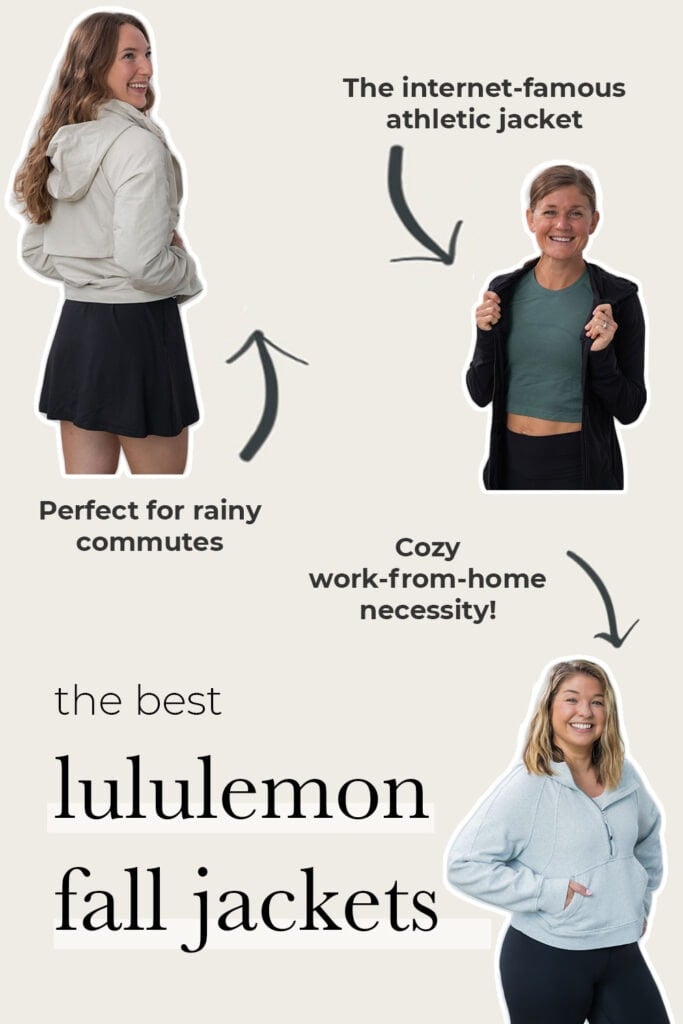
Pin This Post: The Best lululemon Jackets and Sweatshirts for Fall

Pin for pinterest - the best lululemon jacket and sweatshirt options for fall

This post includes affiliate links. I do earn a commission for products purchased using these links (at no additional cost to you). Thank you for supporting Nourish Move Love, making the content you see on this blog possible.

#lululemon #Jackets #Sweatshirt #Size #Fit #Guide

Quick Carnivore Diet Food List To Support Your Workouts

If you love meat, the carnivore diet is for you because that’s all you eat! Well, not exactly. Eating meat is a large part of the carnivore diet, but there’s a misconception that it’s all you eat. In reality, you can eat any animal-derived food, including milk, cheese, broth, and organs! The real question is, which of these should you eat to support your workout? This article will provide a quick carnivore diet food list to support your workouts!

What Is The Carnivore Diet?

The Carnivore diet has become quite popular, considering how young the diet is. While you can find examples of all-meat diets throughout the centuries, it wasn’t until 2018 that it became more mainstream. This is all thanks to Dr. Shawn Baker when he published his book The Carnivore Diet and his heavy marketing.

Since then, it has taken off and been adopted by numerous high-status persons, such as Dr. Jordan Peterson and Joe Rogan, as well as the general population. So what is it?

The general idea is simple: the carnivore diet is a high-fat and high-protein diet with minimal carbs. You can find numerous suggestions for a macro breakdown, but it will usually look like this;

  • Protein: 30-50%
  • Fat: 50-60%
  • Carbs: 5%

The general idea is that you can only eat food that comes from animals. However, this isn’t the whole diet. The carnivore diet aims to go back to the days of eating unprocessed and natural foods. Now, you can find that a spectrum exists where some people are ultra-strict, and others are more lenient.

That said, we will review what you can and can’t eat on the carnivore diet.

What Can You Eat On The Carnivore Diet?

The list of what you can eat is pretty short. Here are the primary foods you need to focus on;

  • Animal meat (specifically fatty meats)
  • Seafood
  • Dairy
  • Bone broth
  • Organs (these are vital!)
  • Eggs

Take the guesswork out of it and try our 7 Day Bodybuilding Carnivore Diet Meal Plan.

What Can’t You Eat On The Carnivore Diet?

Right off the bat, you can’t eat any vegan or plant food. This includes the obvious things like:

  • Grains
  • Fruit
  • Nuts
  • Legumes
  • Vegetables

Basically, if the food was made with any type of plant, you can’t eat it.

However, the main goal of the carnivore diet isn’t just to promote eating animals. At its core, it promotes a more naturalistic way of eating like our ancestors. This means you should avoid processed foods, including those made with animal products such as salami or pepperoni. It also means staying away from things like soda and even Diet Coke.

carnivore diet food list

Carnivore Diet Food List Gray Area

Now, we’re going to discuss some foods in a gray area. Depending on who you ask, these foods will produce different answers about whether you can eat them.

  • Milk:Generally, milk is allowed on the carnivore diet. However, you should drink whole milk or even raw milk and stay away from skim milk. The primary reason is that milk contains carbs, and you eliminate many good fats and nutrients by drinking skim milk. Remember, this is one of the only sources of carbs you may eat.
  • Lean Meats:The problem with lean meats is that you’re not getting your fat intake. Eating too many lean meats will cause you to miss certain vitamins and nutrients.
  • Coffee/Tea:Strict followers will tell you no; others are okay with this. Again, the primary reason is that they come from plants.
  • Sauces:Some say sauces are off-limits due to the carbs or simply because they’re processed.
  • Protein Powder/Supplements:Protein powder is processed, and many brands contain unnatural flavoring or sweeteners. Find a clean protein powder and adhere to a strict carnivore diet if you want to use it.

As we said, you can find a range of opinions on these sources and their legitimacy.

Concerns With The Carnivore Diet For Your Workout

When considering the carnivore diet for your workout, it’s important to be aware of the potential challenges. Due to the very low carb intake, you’ll primarily use fat for fuel. While it’s not your goal to be in ketosis on the carnivore diet, you most likely will be due to the low-carb intake.

There is a chance your body may convert protein into glucose, but that doesn’t change the fact that your body won’t be getting easy energy from carbs.

This presents two issues.

  1. Getting through a workout will be tough, specifically if you’re new to the diet. Your body won’t be optimally efficient in burning fat to fuel high-intensity workouts, so you’ll likely get fatigued quickly.
  2. Building muscle will be more challenging. Research has shown that carbohydrates play an important role in the anabolic process. As a result, athletes on low-carb diets have shown difficulty increasing muscle mass even when in a caloric surplus.¹

We want to note that while the carnivore diet may make building muscle tougher, it seems to be an awesome diet for maintaining muscle mass, even when in a deficit. If you want to put on a significant amount of muscle mass, you may want to put the carnivore diet on hold for a bit.

Another important note is that no studies examine the carnivore diet specifically. These very low-carb studies use the keto diet, so keep that in mind.

You could follow a modified carnivore diet and allow more carbs as you adjust. You could also intake more carbs before and after your workout. We are very aware that carnivore purists will not agree with this. However, it depends on your goals and why you’re following the carnivore diet.

Carnivore Foods To Support Your Workouts

So, when it comes to supporting your workout, there isn’t a specific food you should concentrate on. Usually, we suggest that you eat a little bit of carbs and protein. However, since you’re not eating carbs, that’s not an option.

Many people compare the keto to the carnivore diet and may wonder about taking MCT oil to power workouts. MCT oil is a common oil used by those following a keto diet as it’s converted into ketones for fast energy. However, MCT oil comes from coconut or palm oil, meaning it’s a no-go as you can’t eat plant-based foods.

Related: Best MCT Oil Supplements

Pre-Workout Food On A Carnivore Diet

Many followers of the carnivore diet will say you shouldn’t take the supplement as it’s processed. You could opt to just take some caffeine, but again, caffeine is plant-based, so it’s up to you how strict you want to be.

That said, many followers of the carnivore diet claim they prefer working out fasted in the morning. While this is also seen among omnivore athletes, it does seem to occur more in the carnivore circle. However, this is generally said by those with a bit of experience, as their bodies have likely adapted.

One issue with eating before a workout when following the carnivore diet is most foods are heavy. Eating a steak before hitting some heavy deadlifts doesn’t sound awesome.

Although there isn’t a specific go-to food, you could focus on two options power your workout.

1. Bone Broth:Bone broth is quite common in carnivore diets. It’s basically bones and connective tissue boiled in water with some seasoning. This makes a nutrient-dense, low-calorie food that many enjoy. Many people who follow the carnivore diet like having bone broth before a workout as it satisfies their hunger yet is very light.

2. Dairy (Milk, Cheese, Yogurt):Dairy, especially Greek yogurt and milk, could be a good option for athletes on the carnivore diet. Remember that these products contain some lactose (carbs) and protein.This could make it an excellent choice for lifters getting ready for the gym who are new to the carnivore diet. While your overall carb intake will still be low, saving their consumption to just before your workout could be a nice little kick to fuel your workout.

Post-Workout Food On The Carnivore Diet

Post-workout, be sure to get in your protein. After a training session, a fatty cut of steak and/or eggs is a favorite carnivore meal. These will deliver high-quality protein full of amino acids to help your muscles recover and rebuild.

Again, you could opt for some raw milk as well. This will deliver high-quality protein and a bit of carbs. Further, milk has been found to be awesome as a hydration fluid, even better than sports drinks!²

2 Tips for following the carnivore diet

1. Be Sure To Get Your Micronutrients

One area of particular concern when following a carnivore diet is getting all your micronutrients. Because the carnivore diet is so restrictive, it can easily fall into a vitamin, mineral, and electrolyte deficit.

This is why the carnivore diet emphasizes fatty cuts of meat and, more specifically, organs. Eating organs may be odd to those in the Western world, but it is a great way to ensure you get your vitamins and minerals. One you should learn to prepare is beef liver.

Being deficient in these micronutrients will cause many problems, some specific to working out, such as fatigue and muscle cramps.

2. Rest And Recovery

The importance of rest and recovery is true for everyone but is heavily emphasized in the carnivore diet. Again, this is due to the carnivore’s push for optimal health. Therefore, be sure you get plenty of sleep while training on the carnivore diet. Follow a sleep routine to get 7-9 hours every night can help restore your muscles and replenish your energy levels.

Final Say On The Carnivore Diet For Your Workouts

There is much more nuance and controversy within the carnivore diet than this article can cover. Putting that aside, due to the nature of the carnivore diet, your main hurdle in powering awesome workouts is simply spending time adjusting to alterations in your metabolism.

The best solution is to slowly adapt to the diet and let your body acclimate to using fat as a fuel source. Other than that, due to the restrictive nature of the diet, your food choices are limited, and none really stand out over the others for being superior to fuel your workout. The only foods that are unique are dairy products due to the lactose, so this could be a food to try. Otherwise, you’ll just need to experiment and find what works for you!

Check out our full collection of diet guides!

References

  1. Chung, Nana. “Impact of the Ketogenic Diet on Body Fat, Muscle Mass, and Exercise Performance: A Review.”Physical Activity and Nutrition (Online), vol. 27, no. 4, 31 Dec. 2023, pp. 1–7, doi.org/10.20463%2Fpan.2023.0031, https://doi.org/10.20463/pan.2023.0031.
  2. Shirreffs, Susan M., et al. “Milk as an Effective Post-Exercise Rehydration Drink.”British Journal of Nutrition, vol. 98, no. 01, 26 Apr. 2007, p. 173, https://doi.org/10.1017/s0007114507695543.

#Quick #Carnivore #Diet #Food #List #Support #Workouts

Dubai’s Executive Wellness Pioneer: Dr. Mohammad Baydoun’s Path to Balanced Success

Maintaining personal health and fitness is often overlooked due to the demands of a high-powered career. However, Dr. Mohammad Baydoun, an executive in the region, has managed to strike a balance between his professional responsibilities and a rigorous fitness regimen.

Dr. Baydoun’s approach to fitness is rooted in practicality. A typical day for him begins early, with a structured workout routine that includes strength training and cardiovascular exercises. This consistency, he believes, is key to maintaining both physical health and mental clarity. In an industry where long hours and high stress are common, Dr. Baydoun’s commitment to fitness helps him manage the demands of his role more effectively.

This focus on health extends beyond his personal life. In his professional environment, Dr. Baydoun has encouraged a culture of wellness. He understands that promoting fitness among his team can lead to better performance and overall job satisfaction. By integrating wellness initiatives at work, he aims to create an atmosphere where health is seen as a priority rather than an afterthought.

Dr. Baydoun’s fitness journey is not about extremes but about finding a sustainable approach to health. His routine is varied and adaptable, which allows him to stay committed without compromising his professional duties. For him, fitness is not merely a hobby; it is a crucial part of maintaining balance in a demanding career.

In addition to personal fitness, Dr. Baydoun participates in community events that promote health and well-being. His involvement in these activities reflects his broader view of fitness as an essential component of a fulfilling life. By engaging with the community, he demonstrates that fitness is a collective responsibility, and his actions encourage others to prioritize their health.

Dr. Baydoun’s example challenges the notion that a demanding career leaves little room for personal wellness. His experience shows that with the right approach, it is possible to integrate fitness into a busy schedule. By prioritizing health, he not only enhances his own well-being but also sets a standard for those around him.

In the context of Dubai’s fast-paced business environment, Dr. Mohammad Baydoun’s dedication to fitness stands out. His ability to balance a successful career with a commitment to health offers a practical example for others in similar positions. Rather than viewing fitness as a separate aspect of life, Dr. Baydoun integrates it into his daily routine, demonstrating that with the right mindset, maintaining physical health can complement and even enhance professional success.

M&F and editorial staff were not involved in the creation of this content.

#Dubais #Executive #Wellness #Pioneer #Mohammad #Baydouns #Path #Balanced #Success